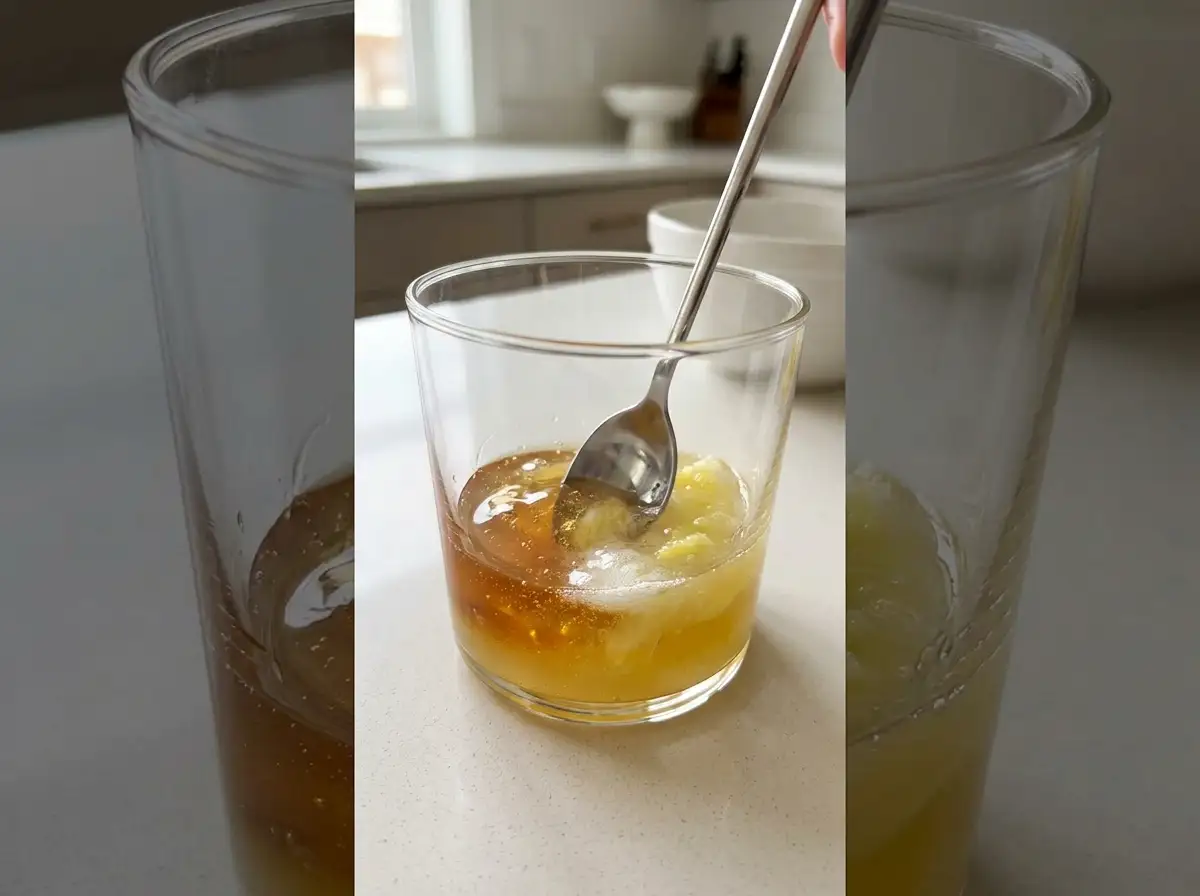
Honey baking soda drink searches spiked after a wave of videos calling it the “baking soda horse trick” and claiming it works like magic for men’s performance. I noticed the same pattern I have seen before with other viral kitchen claims: a confident video, a bold promise, and almost no real explanation of what is actually in the glass. So before testing this honey baking soda drink myself, I looked into where this specific claim came from, and what I found was worth sharing honestly.
I am Bella, and I share honey recipes here on HoneyGlowKitchen.com because I care about giving you the truthful version of a trend, not the exaggerated one. This honey baking soda drink is a real, simple recipe you can make safely at home, and I want to walk you through exactly what it is, what the so called horse trick and ED claims actually say, and what the honest science shows. If you already tried my honey and baking soda trick recipe, this article goes deeper into the specific claims tied to the horse trick label and men’s performance marketing.
By the end of this article you will know exactly how to make a safe honey baking soda drink, why the horse trick and erectile dysfunction claims do not hold up, and how to spot similar scams going forward. If you enjoy other honest, cozy honey recipes like this one, take a look at my full collection of honey recipes here on the blog.
Table of Contents
Table of Contents
Key Takeaways
- The honey baking soda drink is a warm mixture of water, a small pinch of baking soda, and honey for flavor.
- The “baking soda horse trick” label has no standardized recipe and is mostly used in marketing for unproven men’s health claims.
- There is no credible clinical evidence that baking soda treats erectile dysfunction or improves sexual performance.
- A single teaspoon of baking soda contains around 1,260 milligrams of sodium, so only a small pinch belongs in any drink.
- This drink belongs in the comfort beverage category, not the medical treatment category.
What Is the Honey Baking Soda Drink and the Horse Trick Claim?
The honey baking soda drink itself is simple: warm water, a small pinch of baking soda, and a spoonful of honey for flavor. The “baking soda horse trick” is a separate marketing label that has attached itself to this basic drink, claiming it can dramatically improve men’s stamina or treat erectile dysfunction. According to multiple fact-checking and medical review sites, there is no single standardized recipe behind the horse trick name, and it appears designed mainly to drive clicks toward unproven supplement products rather than describe a real remedy.
Baking soda, or sodium bicarbonate, is a real ingredient with real, limited uses. The FDA recognizes it as generally safe as a food additive and a short term antacid for occasional indigestion. That is a specific, dose limited use, not a broad license to treat unrelated health conditions like erectile dysfunction, no matter how confidently a video presents it.
Ingredients for a Safe Honey Baking Soda Drink (US Measurements)
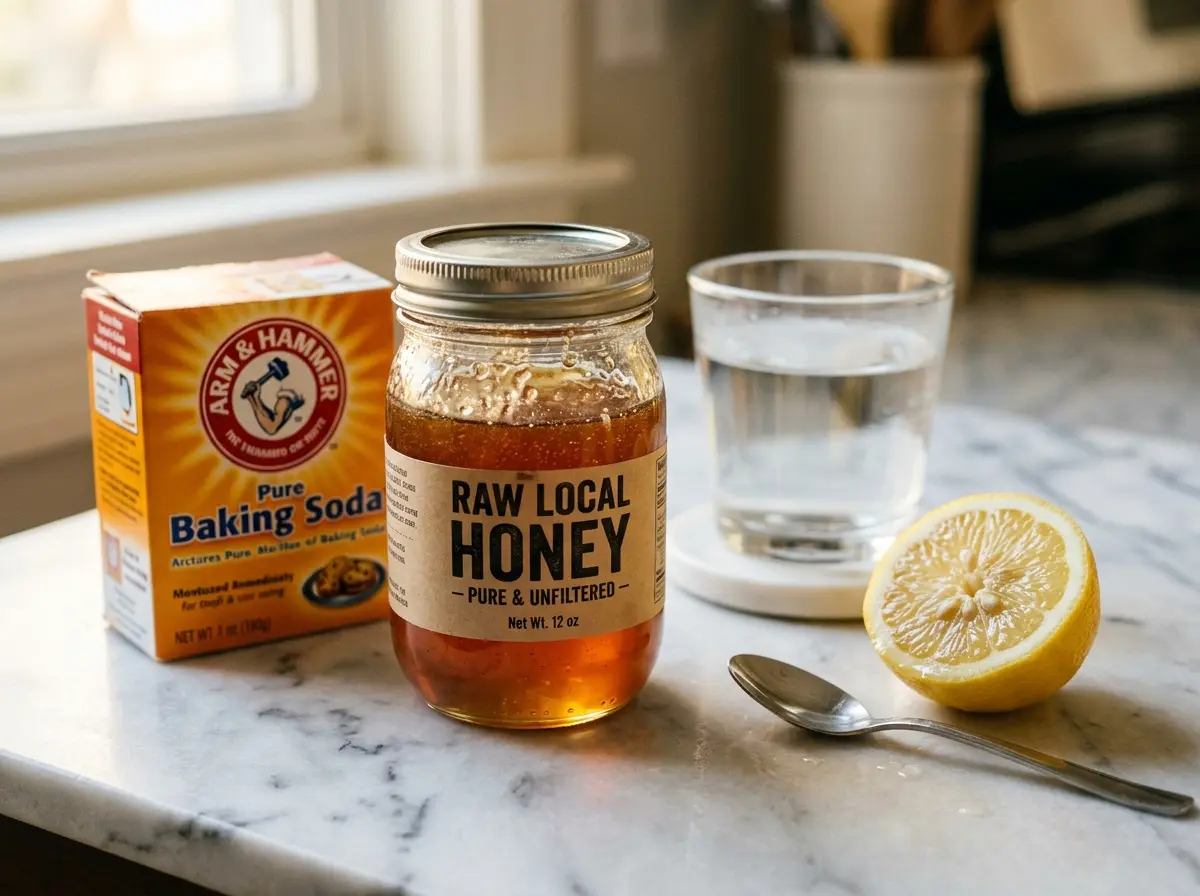
This honey baking soda drink recipe keeps things simple and safe, using only a small amount of baking soda rather than the larger, undefined amounts sometimes shown in viral videos.
- 1 cup warm water
- 1 small pinch baking soda, about one eighth of a teaspoon or less
- 1 teaspoon raw honey
- Optional: a small squeeze of lemon
Keeping the baking soda amount small matters for a real safety reason. According to the National Institutes of Health DailyMed database, over the counter sodium bicarbonate products carry strict daily dosage limits precisely because too much sodium bicarbonate can disrupt the body’s normal acid balance and sodium levels.
How to Make the Honey Baking Soda Drink Step by Step
Step 1: Warm the water
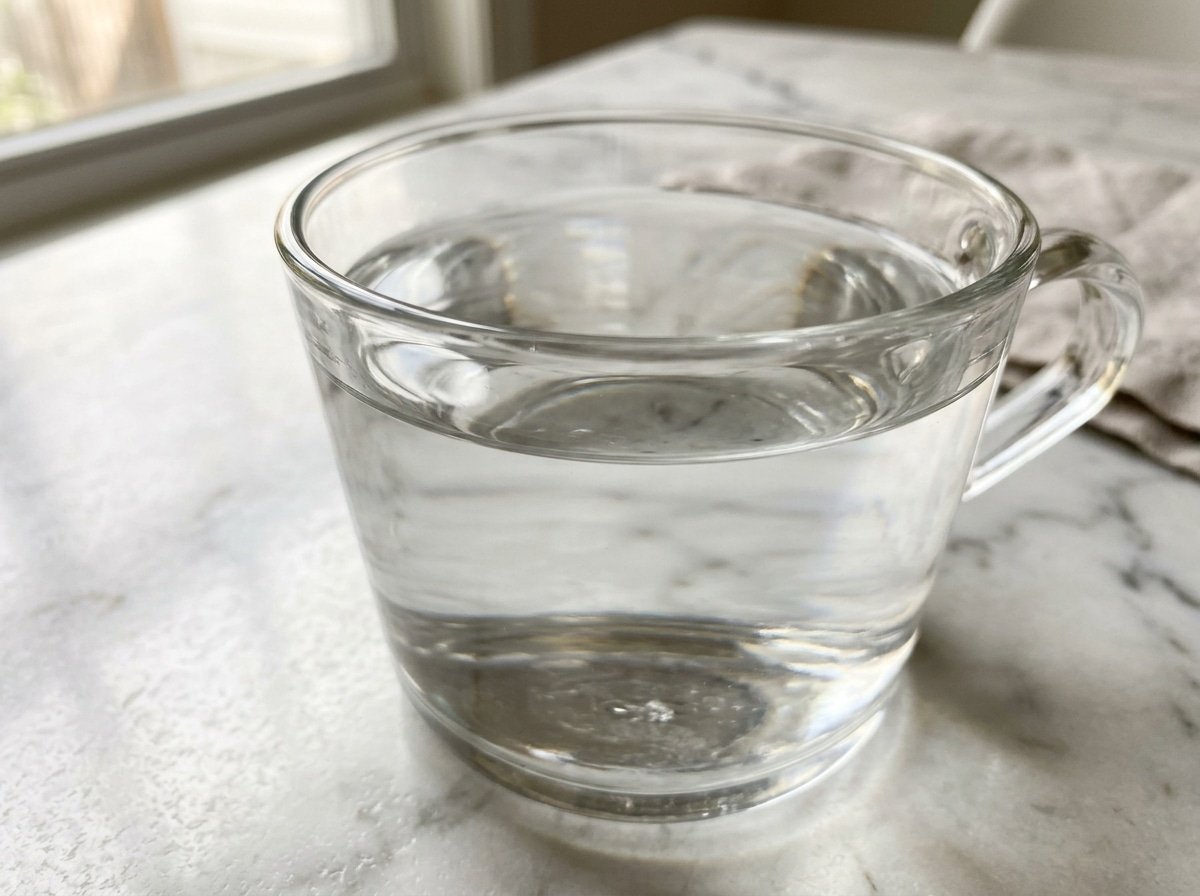
Heat one cup of water until warm but not boiling, since this forms the base of your honey baking soda drink. Water that is too hot can affect the texture and flavor of the honey once it is added later.
Step 2: Add a small pinch of baking soda
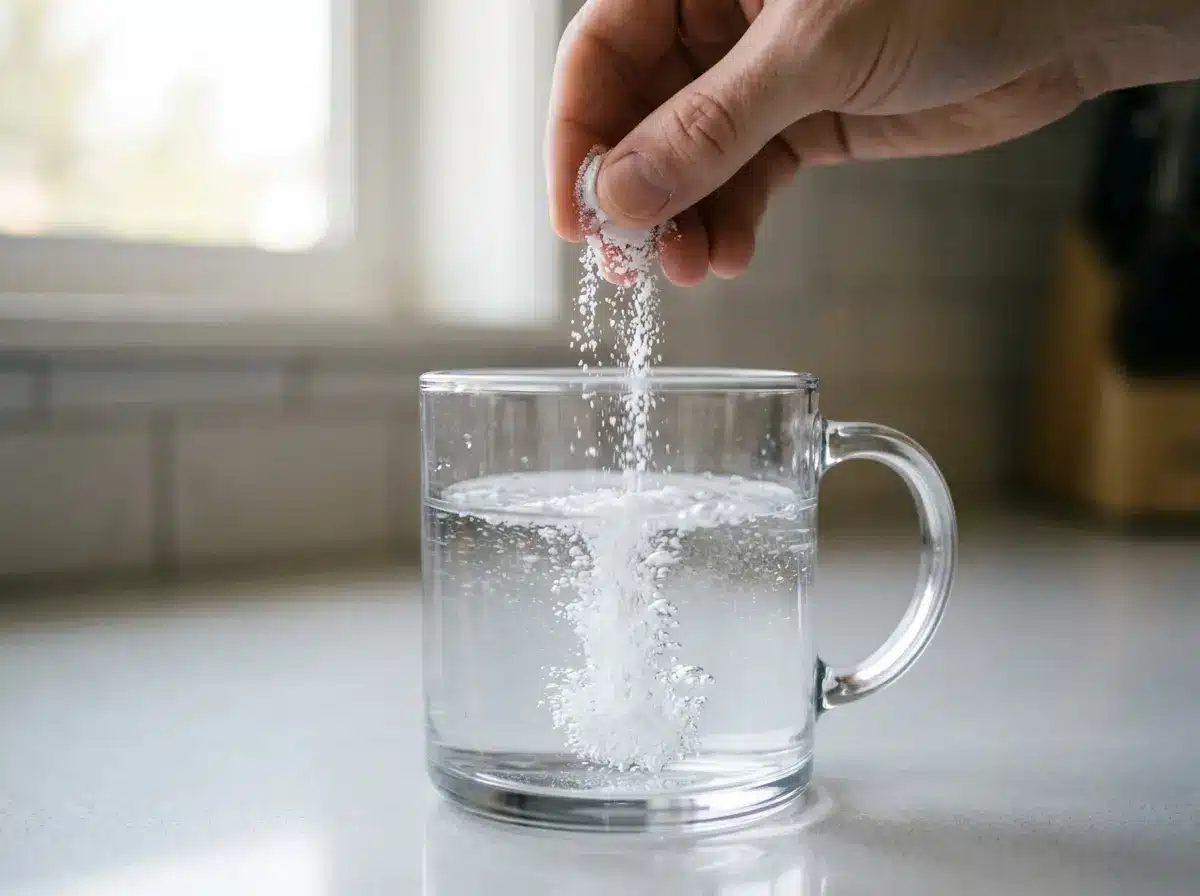
Stir in a very small pinch of baking soda, no more than one eighth of a teaspoon. This is intentionally a small amount, since more is not safer or more effective, it is simply more sodium.
Step 3: Stir in the honey

Add one teaspoon of raw honey and stir until fully dissolved. The honey softens the alkaline taste of the baking soda and makes the drink pleasant to sip.
Step 4: Add lemon if desired
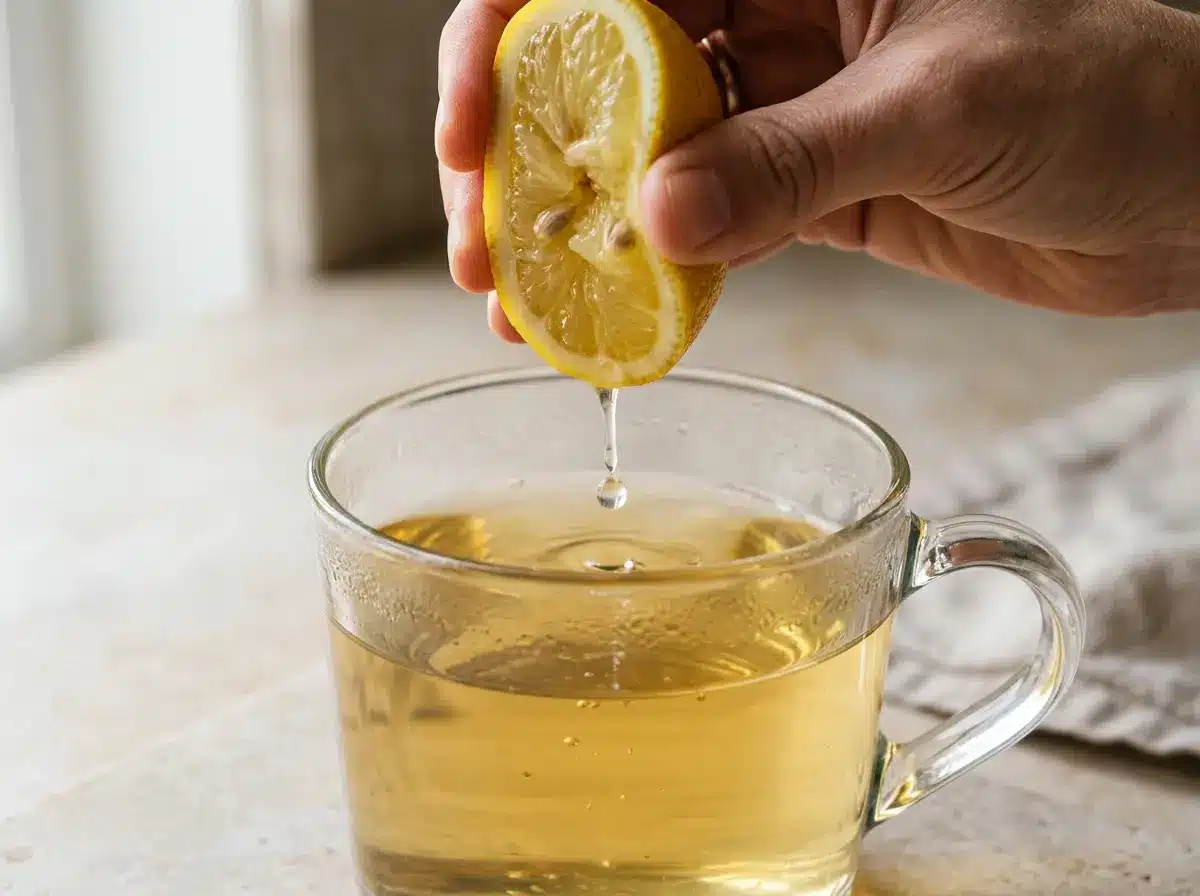
A small squeeze of lemon adds brightness, though it is entirely optional. This step is purely about flavor, not about creating any additional effect.
Step 5: Sip slowly

Drink this in small sips rather than all at once. Stick to one serving and avoid repeating it multiple times throughout the day.
Honey Baking Soda Drink vs the Viral Horse Trick Marketing
| Detail | Real Honey Baking Soda Drink | Viral “Horse Trick” Marketing Claim |
|---|---|---|
| Recipe | Standardized: water, small pinch baking soda, honey | No consistent recipe across videos |
| Purpose | Warm comfort drink, occasional mild antacid use | Claims to cure ED or boost male performance |
| Evidence | FDA-recognized antacid use in small doses | No clinical evidence supporting sexual performance claims |
| Safety | Safe in small amounts occasionally | Encourages excessive, undefined dosing |
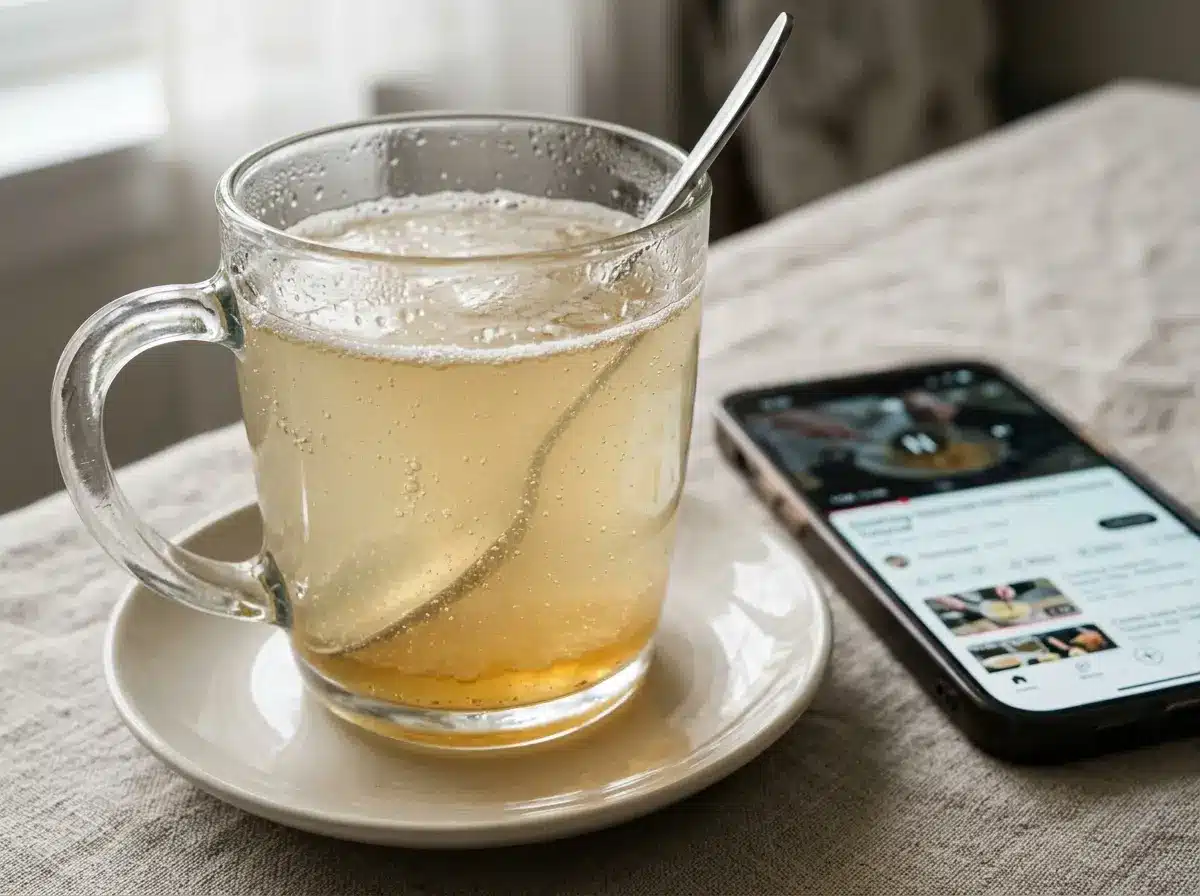
If you want another honest, cozy drink recipe instead of chasing a viral claim, my honey and lemon tea offers a similarly warm, simple option with none of the exaggerated promises.
Does the Baking Soda Horse Trick Actually Work?
No credible medical evidence supports the idea that baking soda, in any preparation including the horse trick version, treats erectile dysfunction or meaningfully improves sexual performance. Multiple medical review sites and telehealth platforms have examined this specific claim directly and found no clinical trials supporting it, whether the mixture is called a honey baking soda drink or given a more dramatic marketing name. Erectile function depends on blood flow, hormones, nerve signaling, and psychological factors, none of which sodium bicarbonate has been shown to meaningfully affect when consumed in a drink.
What the research does support is baking soda’s narrow, well-established role as a short term antacid in small doses, which is exactly what this honey baking soda drink is meant for. Stretching that limited, legitimate use into a claim about sexual performance is exactly the kind of leap that should raise a red flag. If a video promises a dramatic result from a common pantry ingredient with no real explanation of mechanism, that is usually marketing language designed to sell a follow-up supplement, not an actual medical finding.
Where the Horse Trick Name Actually Comes From
The “horse” branding in these videos appears to be a marketing device rather than a reference to any real veterinary practice or scientific origin. Fact-checking coverage of this trend has found no verified connection between the phrase and any established use in horses or humans. Names like this are often chosen because they sound intriguing and mysterious, which keeps viewers watching long enough to reach a sales pitch at the end of the video.
This pattern mirrors other trends I have covered before, including the fake honey recipe falsely attributed to a real doctor. For more on spotting that kind of manipulation, see my article on the Dr Gupta honey recipe scam, which breaks down similar deepfake and misleading marketing tactics.
Trust Signals to Look For in Wellness Content
Learning to evaluate wellness claims protects you from wasting money and time on remedies that simply do not work. A trustworthy honey baking soda drink article, or any health-adjacent recipe for that matter, should clearly state dosage limits, cite real medical sources, and avoid vague promises about dramatic transformations. If a claim cannot point to a specific study or credible organization, that absence is itself useful information.
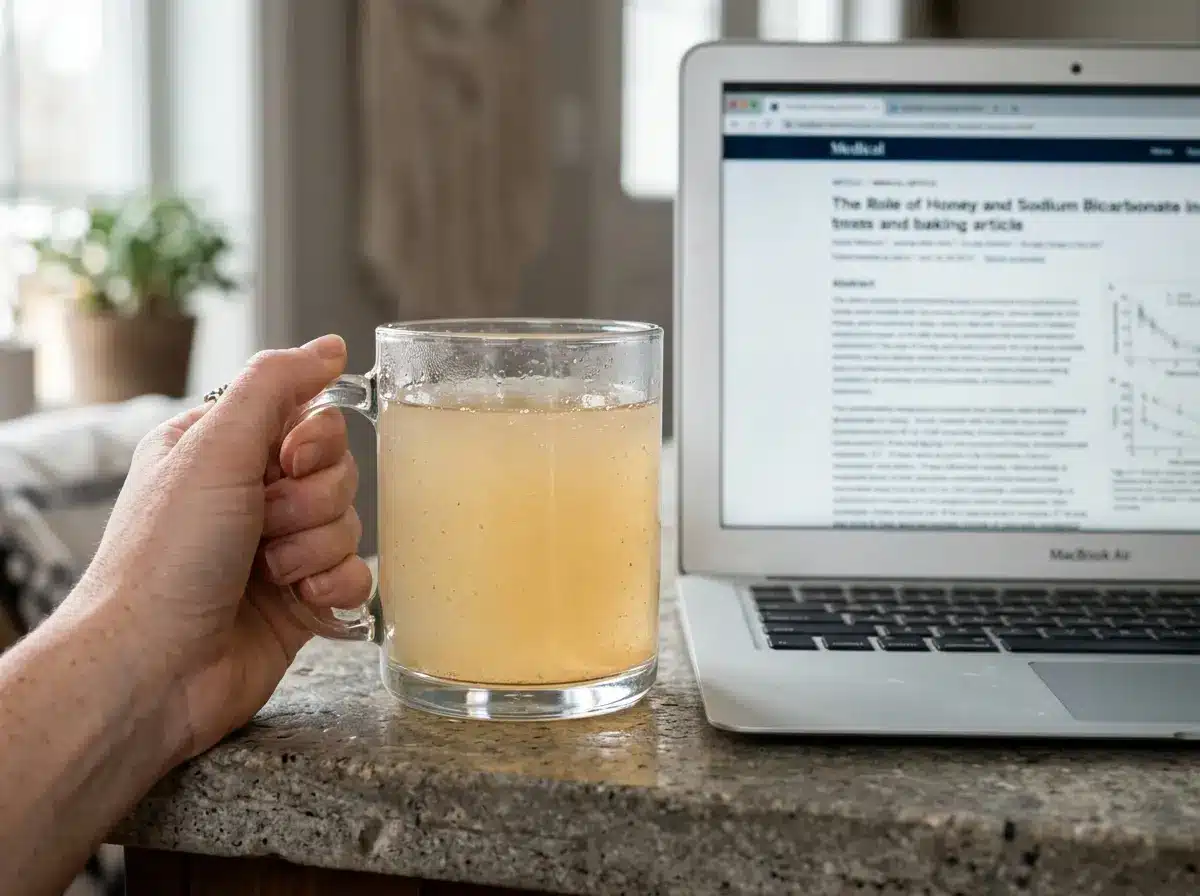
I try to follow that standard here on HoneyGlowKitchen.com with every recipe that touches on wellness, including this honey baking soda drink. The goal is always to give you something genuinely useful, even if that means telling you a viral trend does not live up to the hype.
5 Mistakes to Avoid With the Honey Baking Soda Drink
- Believing performance claims without checking a credible source first. If a claim sounds too good to be true, it usually is.
- Using more than a small pinch of baking soda. Larger amounts do not improve results and only add unnecessary sodium.
- Drinking this multiple times a day. One serving occasionally is the safer approach, not a daily performance ritual.
- Ignoring existing health conditions. Anyone with kidney disease, heart conditions, or high blood pressure should avoid this drink or consult a doctor first.
- Trusting unverified branding like “horse trick.” According to fact-checking research, this label has no consistent, verified origin or recipe.
FAQ About the Honey Baking Soda Drink and Horse Trick Claims
What is the baking soda horse trick?
The baking soda horse trick is a viral marketing label attached to baking soda drinks, claiming dramatic improvements in men’s sexual performance. There is no standardized recipe or verified origin behind the name. Medical reviewers have found no credible evidence supporting its claims.
Does the baking soda horse trick work for ED?
No, there is no scientific evidence that baking soda in any form treats erectile dysfunction. Multiple medical and telehealth sources have reviewed this specific claim and found no supporting clinical trials. Erectile dysfunction should be addressed with a healthcare provider rather than a home remedy.
Is the honey baking soda drink safe to make at home?
Yes, a small pinch of baking soda mixed with warm water and honey is generally safe for healthy adults as an occasional comfort drink. It should not be used as a daily routine or in large amounts. People with kidney disease, heart conditions, or high blood pressure should consult a doctor first.
Why do people call it the horse trick if it has nothing to do with horses?
The name appears to be a marketing choice meant to sound mysterious and attention-grabbing rather than a reference to any real practice. Fact-checkers have not found a verified connection to veterinary use or any documented origin. Unusual names like this are common in viral health marketing to increase curiosity and clicks.
How much baking soda is safe in this drink?
A small pinch, about one eighth of a teaspoon or less, is the safer amount for an occasional comfort drink. A full teaspoon of baking soda contains roughly 1,260 milligrams of sodium, more than half of many daily recommended limits. Sticking to a small amount keeps this drink in the safe, comfort category.
What does honey add to this drink?
Honey softens the sharp, alkaline taste of baking soda and adds natural sweetness, making the drink genuinely pleasant to sip. It does not add any medicinal properties related to the exaggerated claims circulating online. Honey’s role here is purely about flavor and comfort.
Should I trust a health claim from a viral video?
It is safer to verify any health claim through a credible medical source before trying it, especially claims involving sexual health or serious conditions. Viral videos often prioritize engagement over accuracy and may exaggerate or fabricate mechanisms. When in doubt, a healthcare provider is the more reliable source.

Conclusion
The honey baking soda drink is a real, simple recipe worth making, but the horse trick and erectile dysfunction claims attached to it are not supported by any credible evidence. I would rather give you the honest, safe version of this honey baking soda drink than let a viral marketing label mislead you into believing it does something it cannot. If you found this breakdown helpful, take a look at my original honey and baking soda trick article for the full safety guide and recipe details, and explore more honest honey drinks here on the blog.
The content on HoneyGlowKitchen.com is for informational and inspirational purposes only and does not constitute medical or nutritional advice. This article does not claim that baking soda treats erectile dysfunction or any medical condition. Honey should not be given to infants under 12 months. Nutritional values are estimates only. Always consult a healthcare professional for guidance specific to your needs.