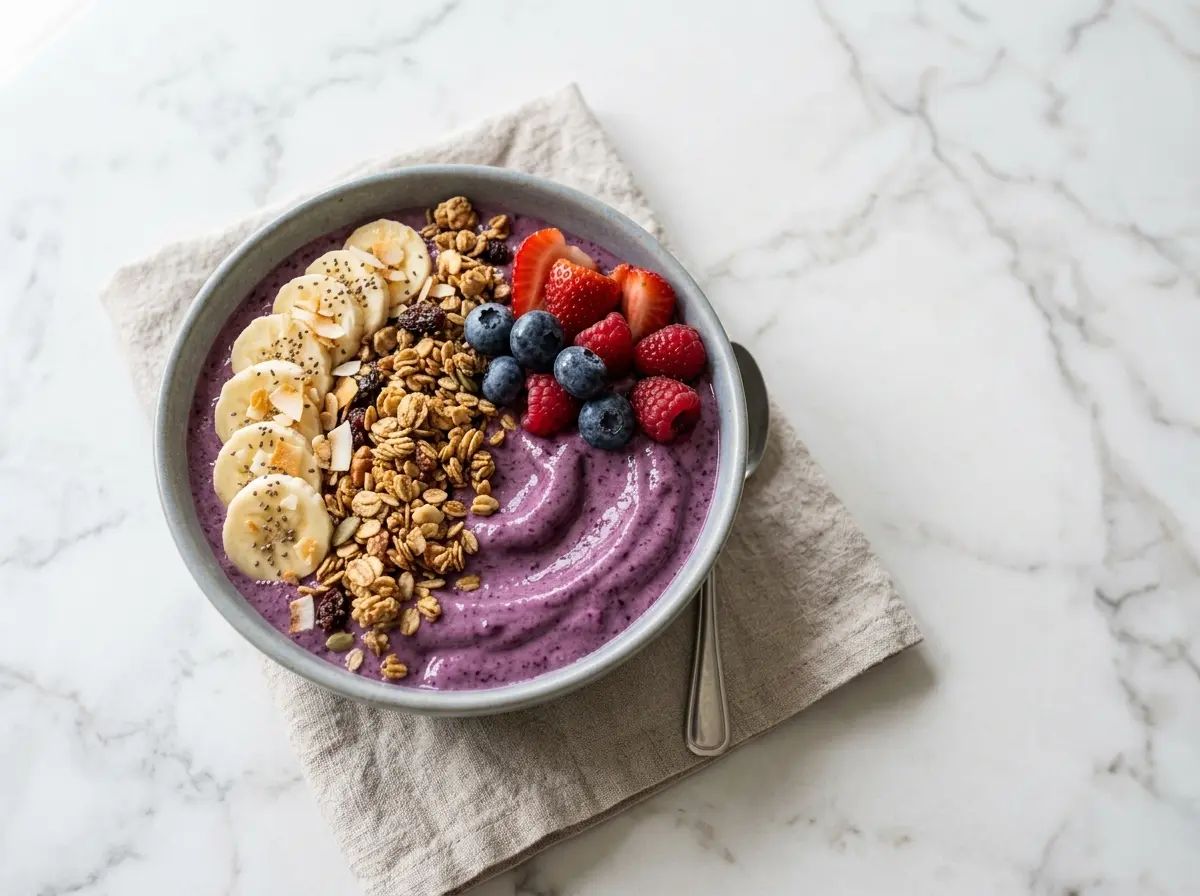
Learning how to make a smoothie bowl seemed simple enough until my first attempt turned into a soupy mess I had to drink with a straw instead of eat with a spoon. The problem wasn’t the ingredients, it was the ratio of frozen fruit to liquid, and once I understood that one detail, everything changed. A proper smoothie bowl should be thick enough to hold its shape and support toppings without sinking, closer to soft serve than a drink.
I am Bella, and I share honey recipes here on HoneyGlowKitchen.com because I believe breakfast should feel a little special, even on busy mornings. This guide walks through exactly how to make a smoothie bowl that holds together, plus the small techniques that separate a thick, scoopable bowl from a runny one. If you like this approach, my green smoothie recipes use a similar method with a few adjustments for a drinkable texture instead.
By the end of this article you will know how to make a smoothie bowl with or without a blender, how to thicken it properly, and how to build toppings that add nutrition instead of just empty calories. I will also cover common questions like why smoothie bowls turn out too thin and how to fix that.
Table of Contents
Table of Contents
Key Takeaways
- Learning how to make a smoothie bowl properly means using mostly frozen fruit and very little liquid.
- Blending on low speed first, then increasing gradually, keeps the texture thick instead of soupy.
- A high-speed blender with a tamper or a food processor works better than a standard blender for thick bowls.
- Cleveland Clinic recommends measuring toppings like nuts and granola to avoid unintentionally doubling your calorie count.
- A frozen banana forms the base of most smoothie bowls, though mango or avocado work as alternatives.
What You Need to Know Before You Start
Understanding how to make a smoothie bowl starts with understanding why most people get it wrong. The most common mistake is treating a smoothie bowl like a smoothie, using too much liquid and ending up with something too thin to eat with a spoon. The fix is almost always the same: use mostly frozen fruit, add liquid in small splashes, and blend patiently rather than pouring in more milk the moment the blender struggles.
Ingredients for a Classic Smoothie Bowl (US Measurements)
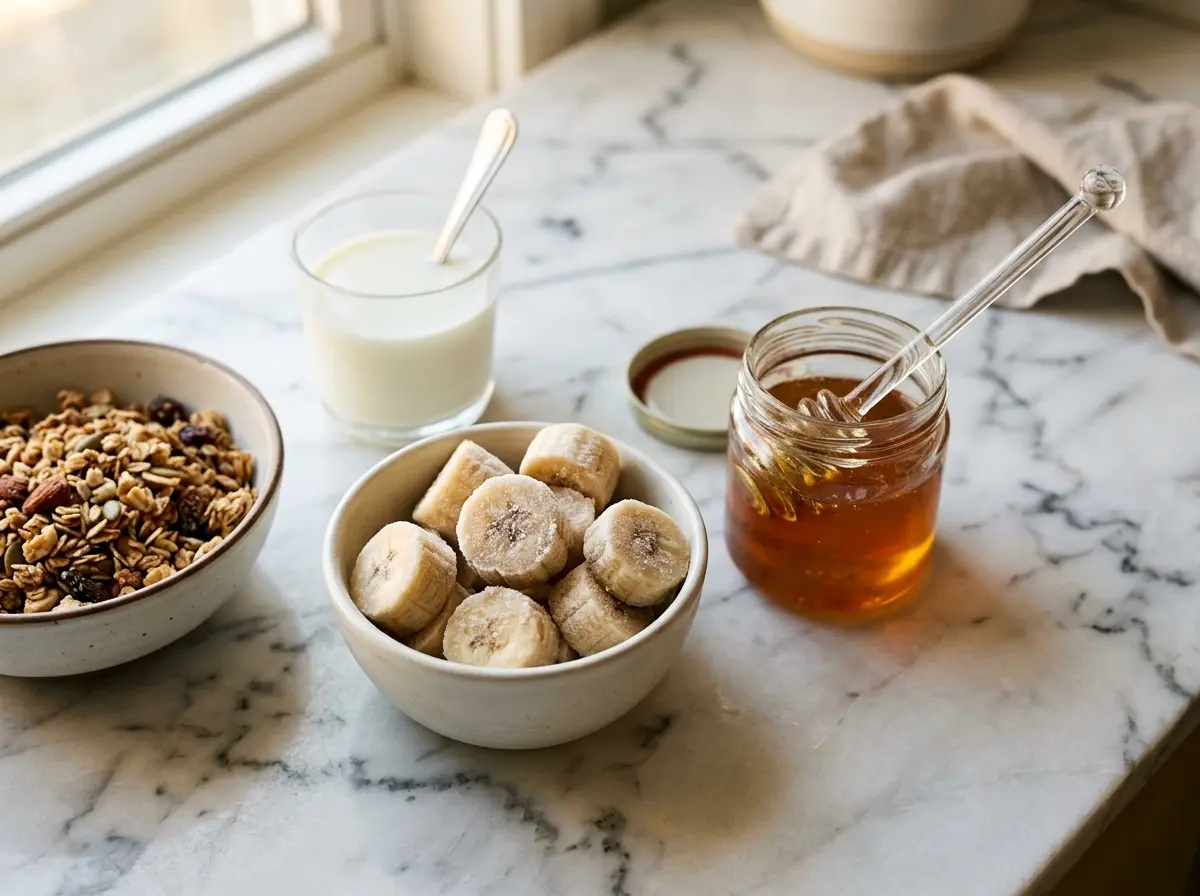
- 2 cups frozen banana slices, or a mix of frozen banana and frozen berries
- 2 to 4 tablespoons milk of choice, added gradually
- 1 teaspoon raw honey, optional
- Toppings: granola, chia seeds, sliced fresh fruit, coconut flakes, nut butter
Frozen banana is the most common base because it blends into a naturally thick, creamy texture without needing much added liquid. According to the USDA FoodData Central database, bananas are a good source of potassium and vitamin B6, which makes them a nutritious base beyond just their texture. If you enjoy other banana-based recipes, my honey banana Thai dessert recipe uses a similar warm banana flavor in a completely different format.
How to Make a Smoothie Bowl Step by Step
Step 1: Freeze your fruit ahead of time
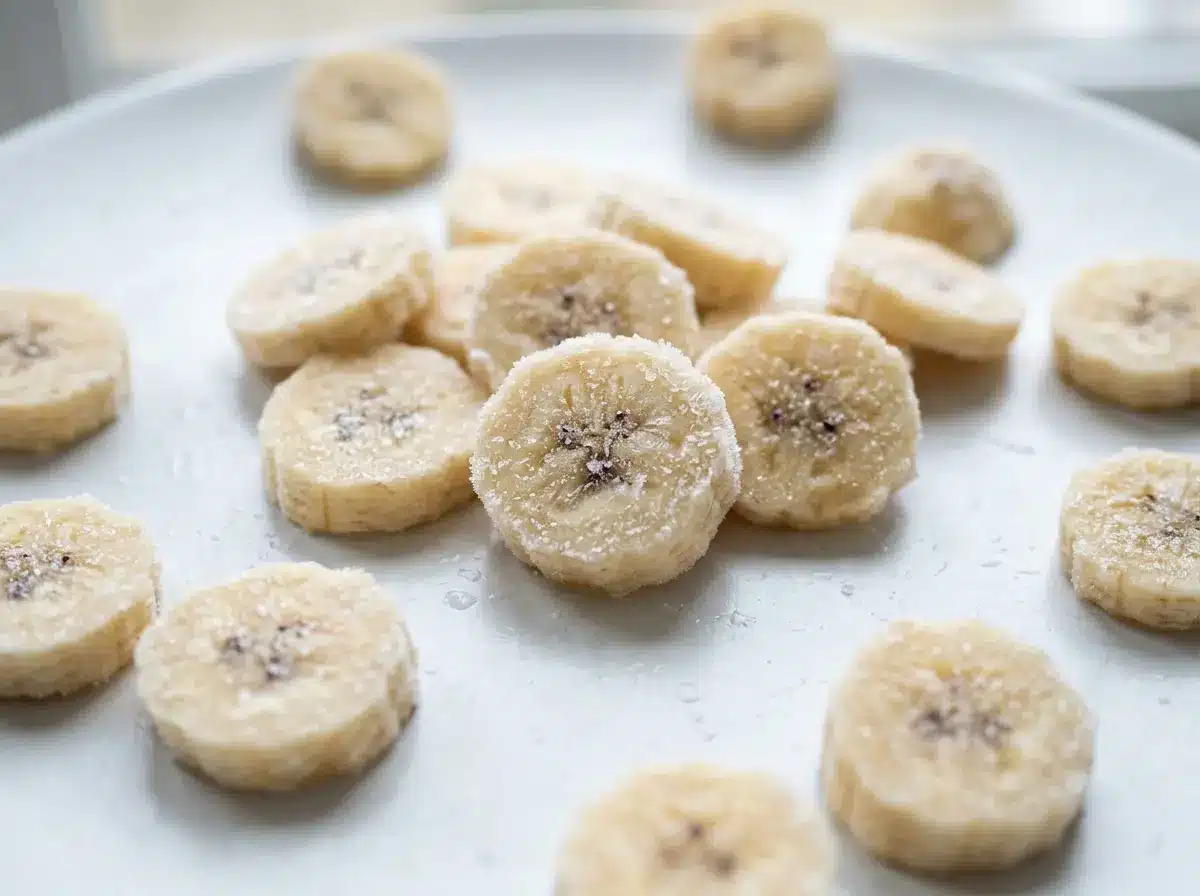
Slice ripe bananas or other fruit and freeze them solid for at least four hours, or keep a bag of pre-frozen fruit on hand. This step matters more than almost anything else when learning how to make a smoothie bowl, since fresh fruit alone will never produce a thick, scoopable texture.
Step 2: Add frozen fruit and a small splash of liquid
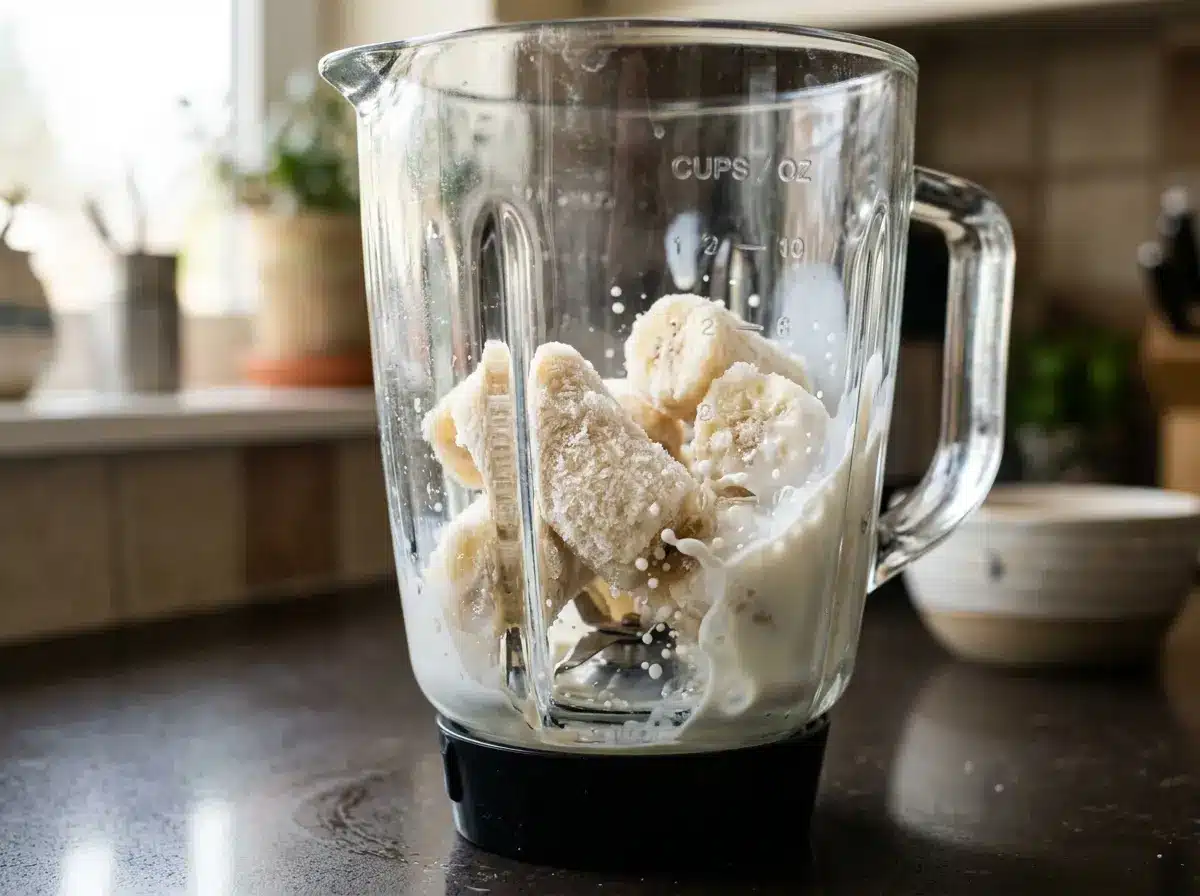
Add the frozen fruit to your blender or food processor first, then pour in just two tablespoons of milk to start. Resist the urge to add more liquid right away, since it is much easier to add a splash more than to fix a bowl that has turned too thin.
Step 3: Blend on low speed first
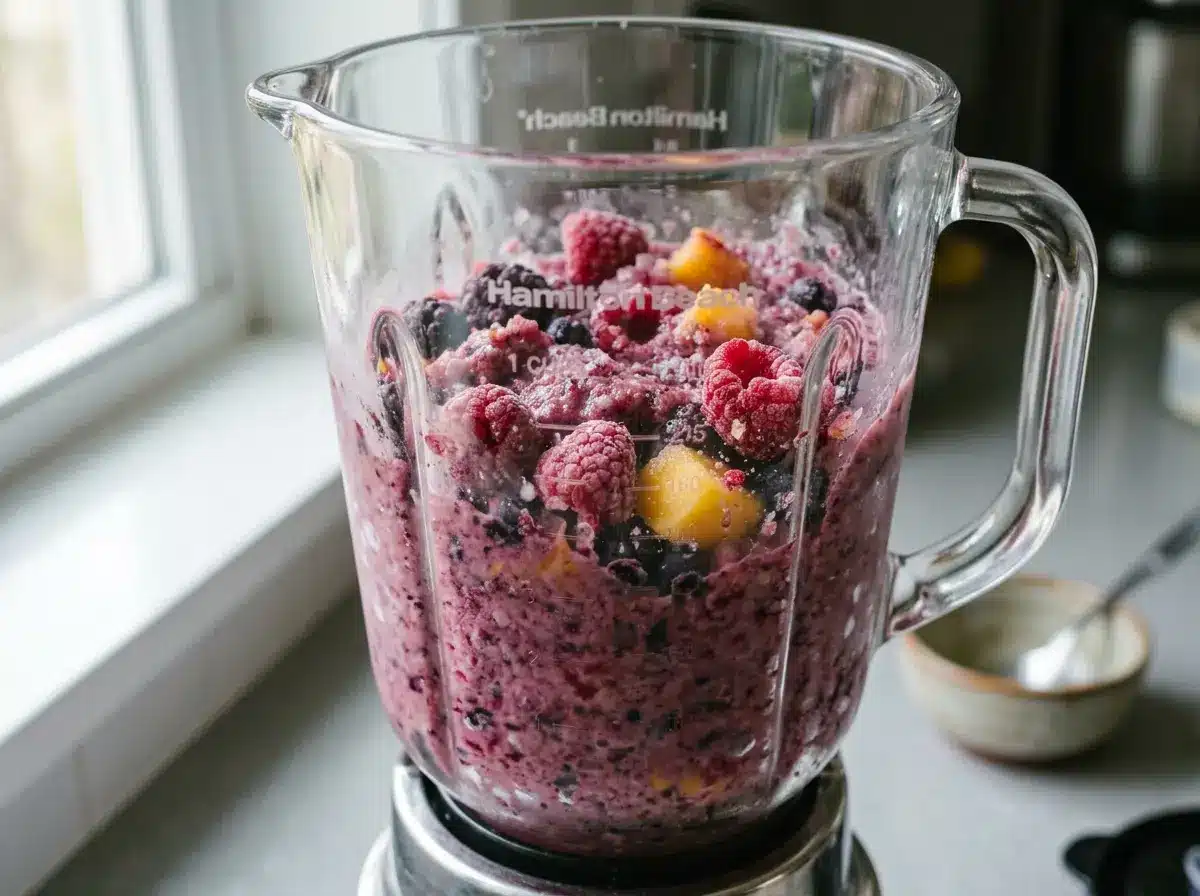
Start blending on the lowest speed setting, pausing to scrape down the sides or push the fruit toward the blades with a tamper if your blender has one. This patient, low-speed approach prevents the mixture from turning liquid too quickly, which is the single biggest factor in how to make a smoothie bowl that holds its shape.
Step 4: Increase speed gradually
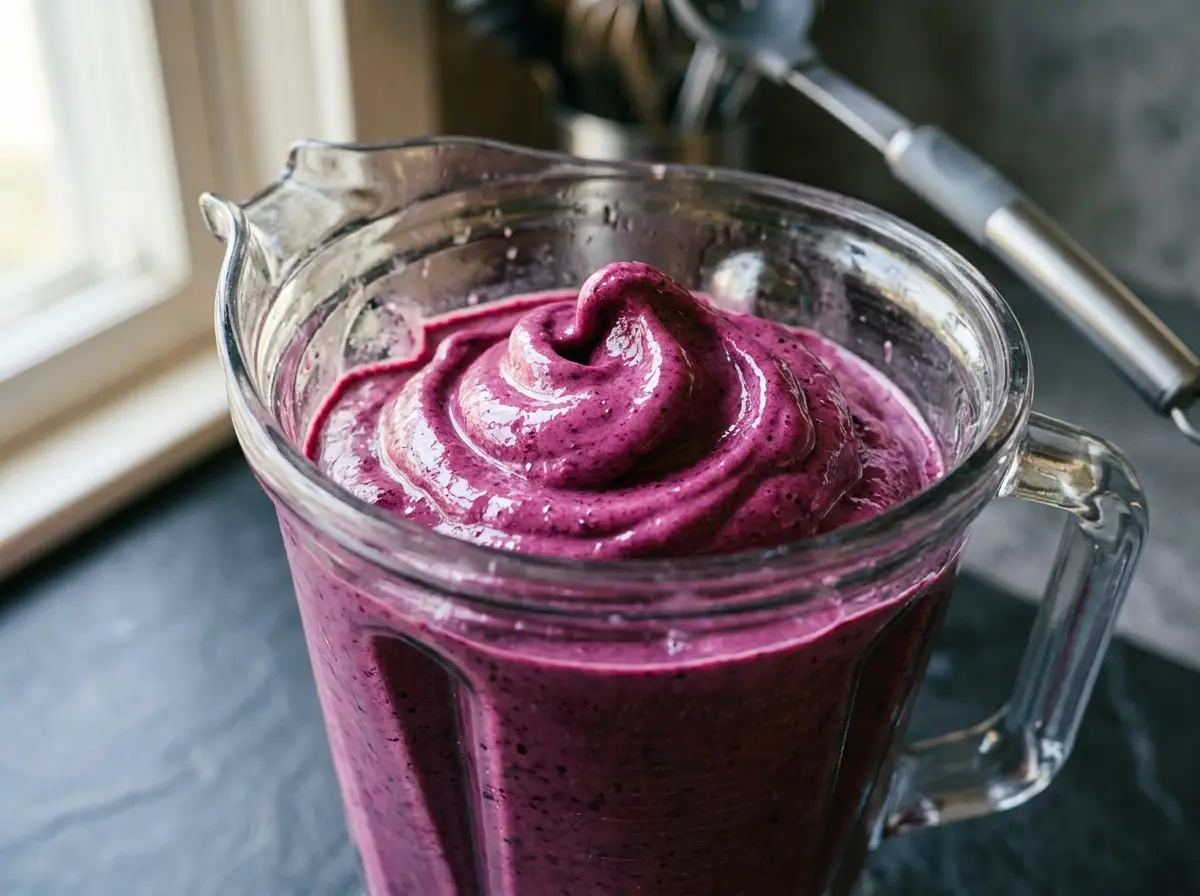
Once the fruit starts breaking down, increase the blender speed gradually while continuing to push the mixture toward the blades. The texture should resemble soft serve ice cream by the time you are done, thick enough that a spoon can stand upright in it.
Step 5: Scoop into a bowl and add toppings
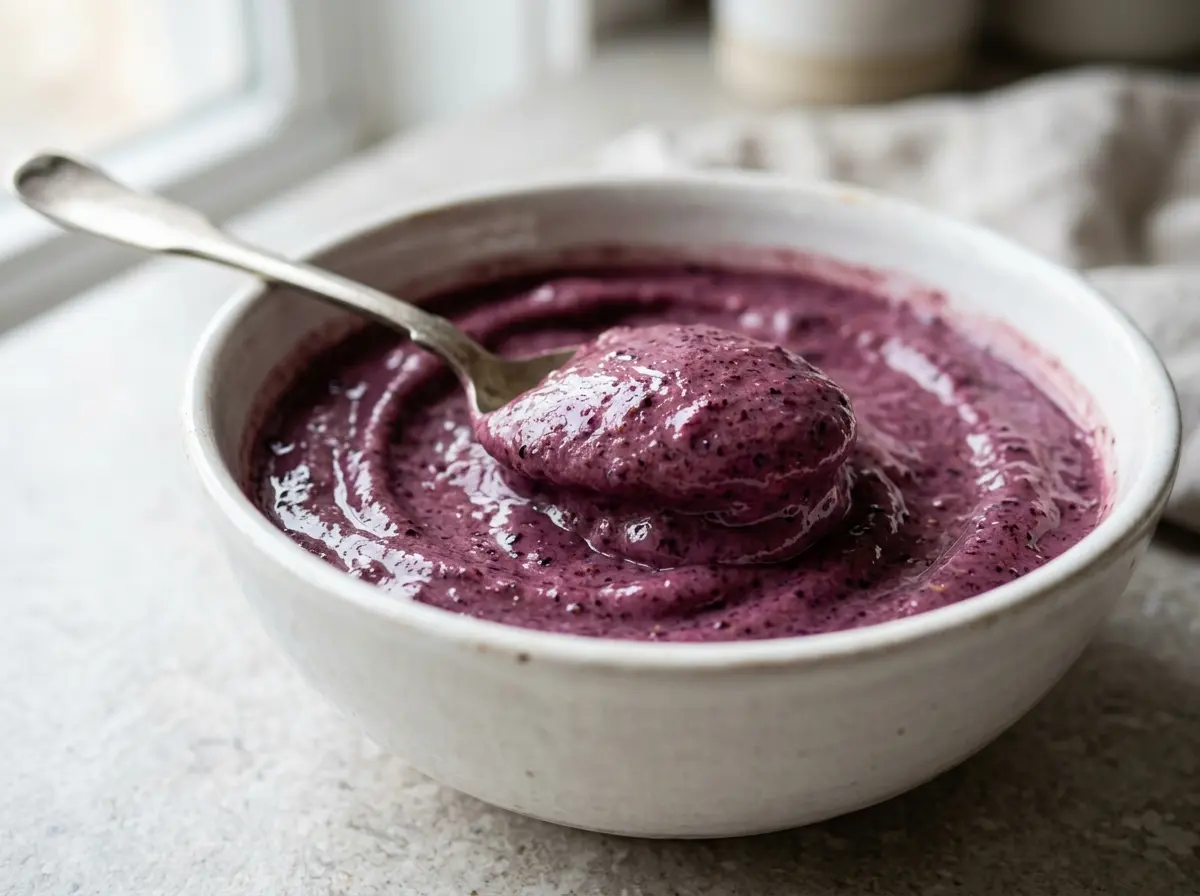
Transfer the thick smoothie base into a bowl using a spoon, since pouring will not work with a properly thick mixture. Add your toppings immediately, arranging them in small sections for the best presentation and to keep every bite interesting.
How to Make a Smoothie Bowl Without a Blender
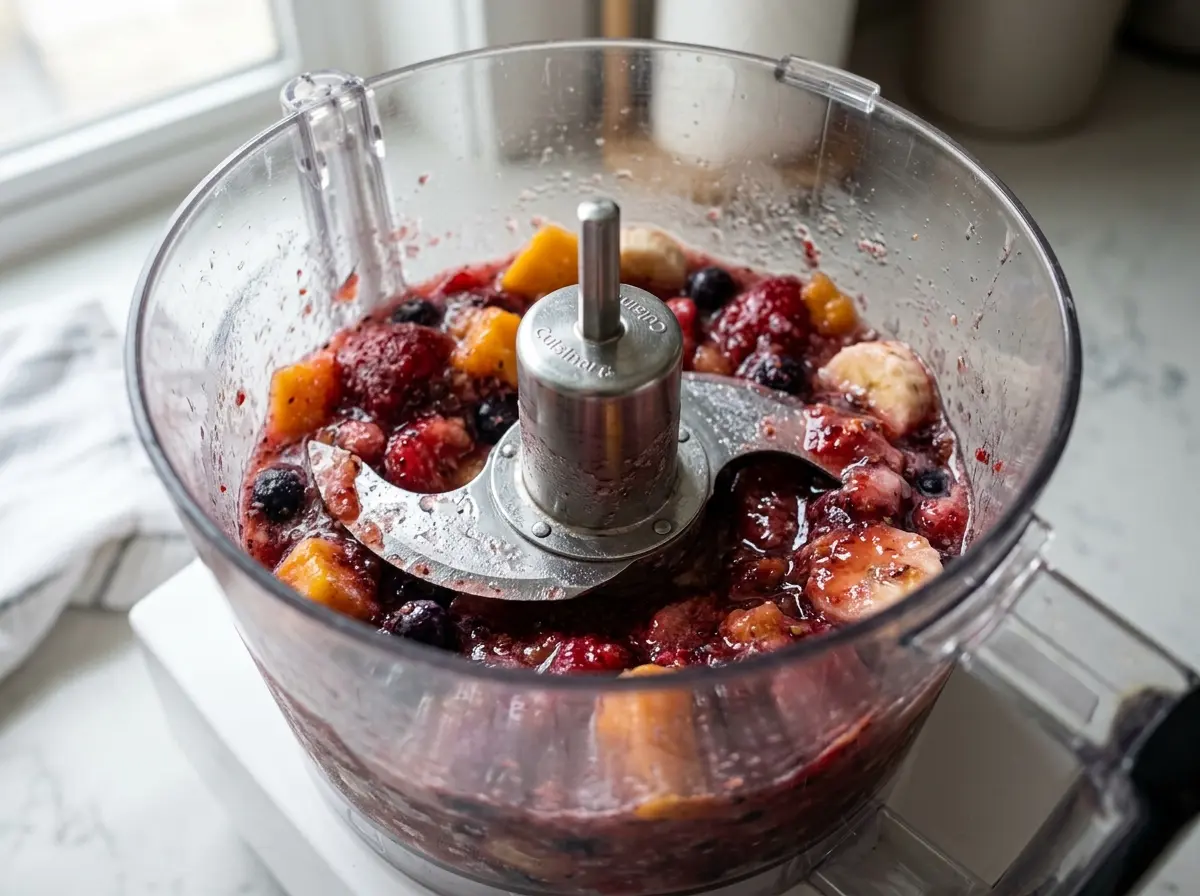
If you do not own a blender, a food processor works just as well, and sometimes even better, for thick smoothie bowls since its blades sit closer to the base ingredients. Simply follow the same steps, pulsing the frozen fruit in short bursts rather than running it continuously, which prevents the motor from overheating on thick mixtures. For a truly blender-free option, mashing very ripe frozen banana by hand with a fork works for a rougher, more rustic textured bowl, though it will not be as smooth as a processed version.
How to Make a Smoothie Bowl Thick Every Time
| Common Mistake | Why It Happens | Fix |
|---|---|---|
| Bowl turns out runny | Too much liquid added at once | Add liquid in small splashes, starting with just 2 tablespoons |
| Blender struggles to move | Not enough liquid or fruit not frozen solid | Use a tamper, scrape sides, and ensure fruit is fully frozen |
| Texture feels icy, not creamy | Blending too fast from the start | Start on low speed and increase gradually |
| Bowl melts too fast | Too much time between blending and eating | Prepare toppings first, then blend and serve immediately |
Best Toppings for a Smoothie Bowl
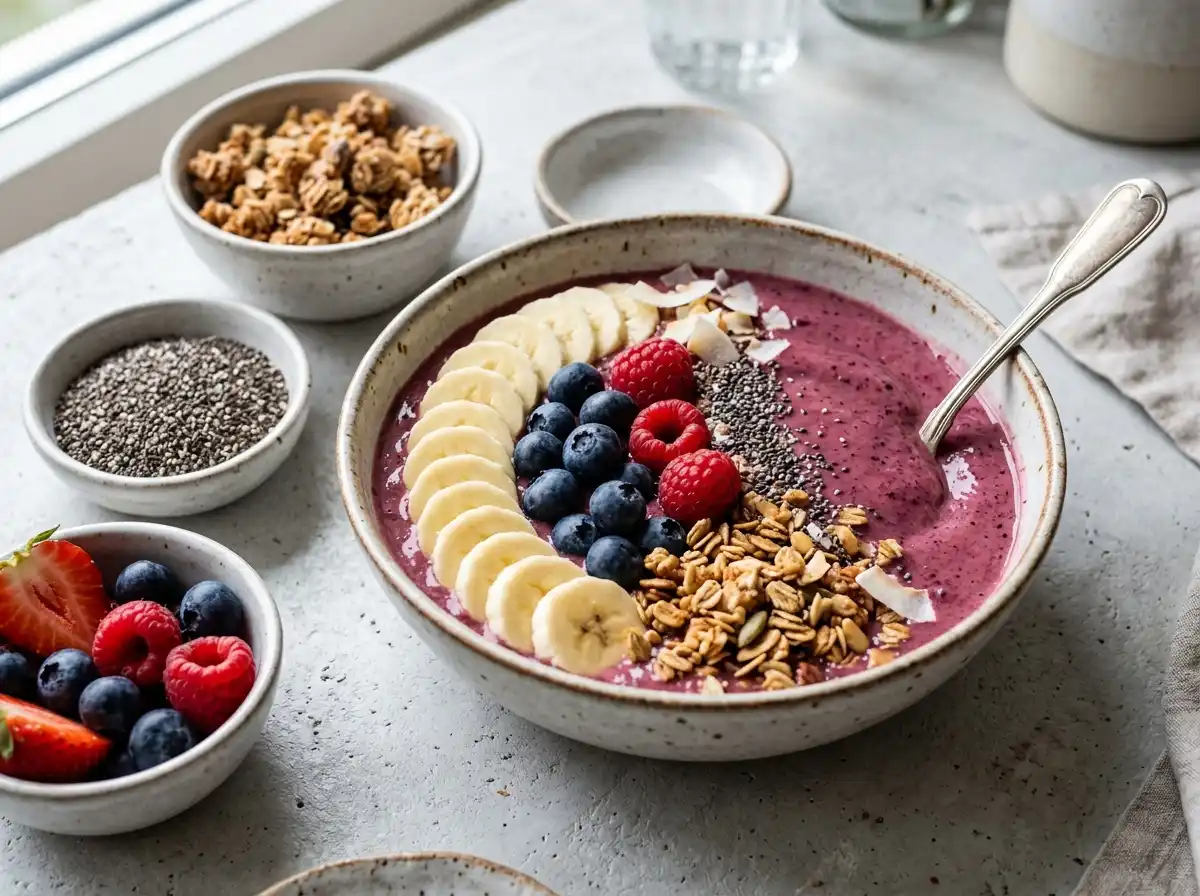
According to the Cleveland Clinic, toppings like nuts, seeds, and granola are nutritional powerhouses, but registered dietitian Beth Czerwony notes that an accidental overpour can leave you with far more calories than intended. She recommends measuring toppings with actual measuring cups and spoons, limiting most additions to about one tablespoon each, rather than eyeballing a generous handful straight from the bag.
- Seeds: chia, ground flax, hemp hearts, pumpkin seeds
- Nuts: walnuts, almonds, cashews, chopped Brazil nuts
- Fresh fruit: sliced banana, berries, kiwi, mango cubes
- Grains: low-sugar granola, toasted oats, quinoa puffs
- Extras: unsweetened coconut flakes, cacao nibs, a drizzle of raw honey
For a naturally sweetened topping option instead of syrup, my honey oats recipe makes a great crunchy addition when scattered over a finished smoothie bowl.
How to Make a Smoothie Bowl for Weight Loss
Smoothie bowls can fit into a weight-conscious diet when the toppings stay proportionate to the base and are not layered on without measuring. The base itself, made mostly of frozen fruit, is naturally filling due to its fiber content, and can serve as a satisfying breakfast or snack on its own. As the Cleveland Clinic points out, the toppings are where calories tend to creep in unnoticed, so keeping nut butters, granola, and dried fruit to modest, measured portions makes the biggest difference for anyone watching their overall calorie intake.
How to Make a Smoothie Bowl for Kids
Kids tend to enjoy smoothie bowls more than plain smoothies since the toppings turn breakfast into something closer to an activity than a chore. Keeping the base mild, using banana and mixed berries rather than leafy greens, makes it more approachable for younger palates who might be put off by a green color or bitter taste. Letting kids choose and arrange their own toppings, from sliced fruit to a light drizzle of honey, also makes them more likely to actually eat the whole bowl.
5 Mistakes to Avoid When Making a Smoothie Bowl
- Using fresh fruit instead of frozen. Fresh fruit contains more water and will not produce the thick, scoopable texture a smoothie bowl needs.
- Adding all the liquid at once. Start small and add more only if the blender truly cannot move the mixture.
- Overloading toppings without measuring. A smoothie bowl can quickly turn into a very high-calorie meal if nut butter and granola are added generously rather than measured.
- Blending too long. Overblending can warm the mixture slightly and cause it to lose its thick, frozen texture.
- Letting the bowl sit before eating. A smoothie bowl melts quickly, so prepare your toppings in advance and serve as soon as it is blended.
FAQ About How to Make a Smoothie Bowl
How do I make a smoothie bowl without frozen fruit?
Using fresh fruit alone will not produce a thick smoothie bowl texture, since fresh fruit contains too much water. If you do not have frozen fruit on hand, add a handful of ice cubes along with fresh fruit and blend carefully, though the texture will still be thinner than one made entirely with frozen fruit. Freezing fresh fruit for a few hours before blending remains the most reliable method.
Why is my smoothie bowl too thin?
A thin smoothie bowl almost always comes down to too much liquid or not enough frozen fruit in the mix. Adding liquid in small splashes rather than all at once, and using a tamper or spatula to keep pushing fruit toward the blades, helps maintain a thicker consistency. Using riper, more ripe frozen banana can also help since it blends more smoothly with less added liquid.
What is the best blender for smoothie bowls?
A high-speed blender with a tamper attachment works best for thick smoothie bowls, since the tamper lets you push frozen fruit into the blades without adding extra liquid. A food processor is a strong alternative if you do not own a high-speed blender, since its blade placement handles thick mixtures well. Standard lower-powered blenders can still work, but may require more patience and occasional scraping.
Can I make a smoothie bowl the night before?
Smoothie bowls are best made fresh and eaten immediately, since the thick, frozen texture melts within minutes once out of the blender. Prepping the frozen fruit portions and toppings in advance is a better strategy than trying to blend the whole bowl ahead of time. This way, assembly the next morning only takes a few minutes.
Are smoothie bowls healthy?
Smoothie bowls can be a nutritious breakfast option, providing fiber, vitamins, and minerals from the fruit base, especially when toppings are chosen thoughtfully and measured rather than piled on generously. According to the Cleveland Clinic, the base ingredients are the nutritional foundation, while toppings should complement rather than overwhelm the bowl with added sugar or fat. Balance and portion awareness make the biggest difference in how healthy a smoothie bowl ends up being.
What fruit works best as a smoothie bowl base?
Frozen banana is the most popular base since it blends smoothly and creates a naturally creamy texture with minimal added liquid. Frozen mango and avocado are also good options, particularly for those who want a base without banana. Mixing frozen banana with a smaller portion of frozen berries adds color and tartness without compromising the thick texture.
Conclusion
Once you understand the core trick of using mostly frozen fruit and adding liquid patiently, learning how to make a smoothie bowl becomes almost effortless. The technique matters more than any specific ingredient combination, so feel free to experiment with different fruits and toppings once the base method feels natural. If you enjoyed this guide, take a look at my full collection of honey recipes for more simple, naturally sweetened breakfast ideas.
The content on HoneyGlowKitchen.com is for informational and inspirational purposes only and does not constitute medical or nutritional advice. Honey should not be given to infants under 12 months. Nutritional values are estimates only. Always consult a healthcare professional for dietary guidance specific to your needs.