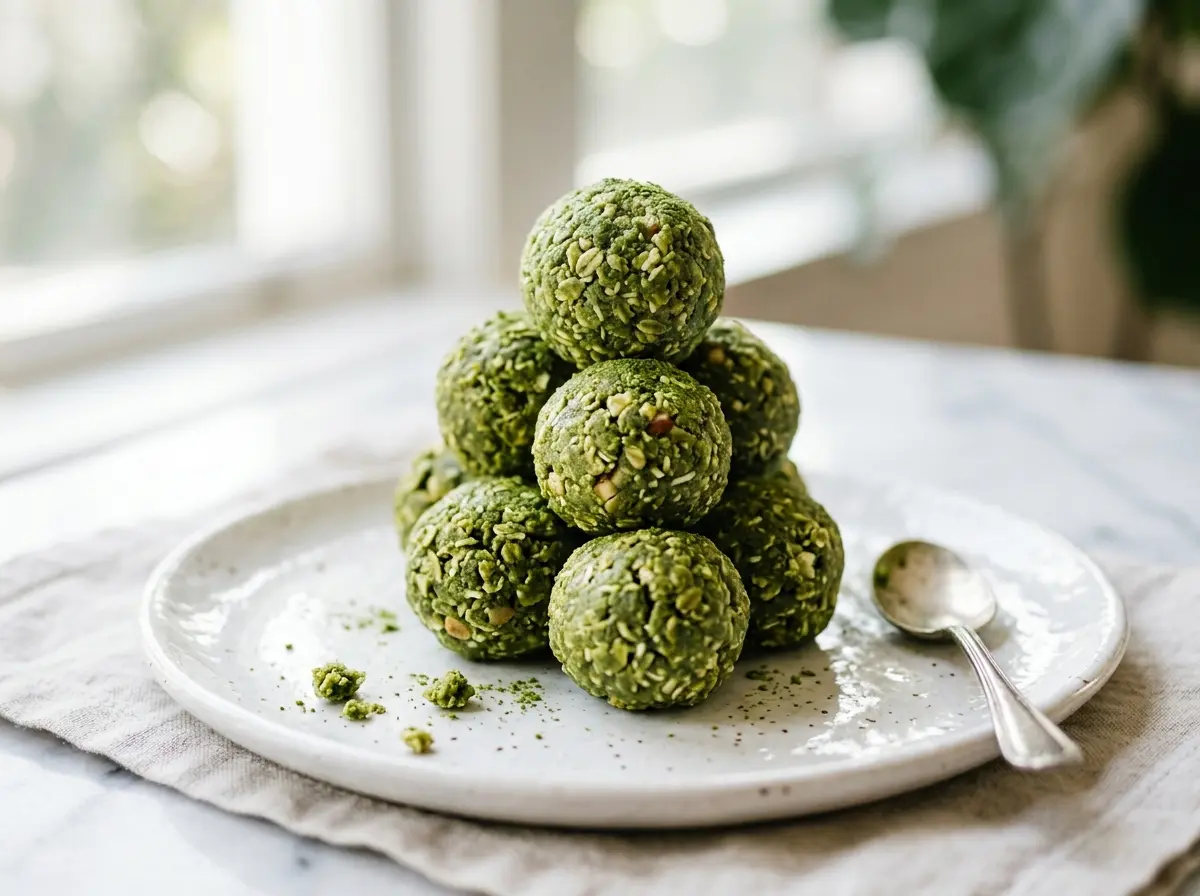
Matcha green tea honey protein balls became my go-to snack the week I realized I kept reaching for a coffee and a granola bar every afternoon, and neither one actually kept me full. These little bites solve both problems at once: matcha brings a steady, calmer form of energy than coffee, honey replaces refined sugar, and a protein source keeps you satisfied longer than a bar full of syrup and chocolate chips ever could. Best of all, there is no oven involved, just a bowl, a spoon, and about five minutes of rolling.
What sold me on making these a weekly staple wasn’t just the flavor, but how consistent the results were once I nailed the ratio of wet to dry ingredients. Unlike some no-bake recipes that fall apart the moment you bite into them, a properly made batch of matcha green tea honey protein balls holds together through an entire week of snacking, whether pulled straight from the fridge or packed into a lunch bag for later.
I am Bella, and I share honey recipes here on HoneyGlowKitchen.com because I believe healthy snacks should still feel like a treat. These matcha green tea honey protein balls use raw honey instead of maple syrup or refined sugar, giving you a naturally sweetened bite that still tastes indulgent. If you enjoy easy no-bake recipes like this one, my honey oats recipe uses a similar five-minute, no-cook approach.
By the end of this article you will know exactly how to make matcha green tea honey protein balls with or without protein powder, plus how to store them, troubleshoot a dough that will not hold together, and understand what matcha actually does nutritionally, based on real research rather than internet hype.
Table of Contents
Table of Contents
Key Takeaways
- Matcha green tea honey protein balls combine matcha powder, a protein source, nut butter, and raw honey into a no-bake snack.
- According to Harvard Health, matcha contains 38 to 89 milligrams of caffeine per 8-ounce serving, more than green tea but less than coffee.
- You can make these protein balls with or without protein powder, using oats, nut butter, or Greek yogurt powder as alternatives.
- Rolling the dough into 1-inch balls and chilling for at least 20 minutes helps them hold their shape.
- Matcha’s antioxidant and L-theanine content has been linked to modest, real benefits, not the dramatic claims sometimes seen online.
What Are Matcha Green Tea Honey Protein Balls?
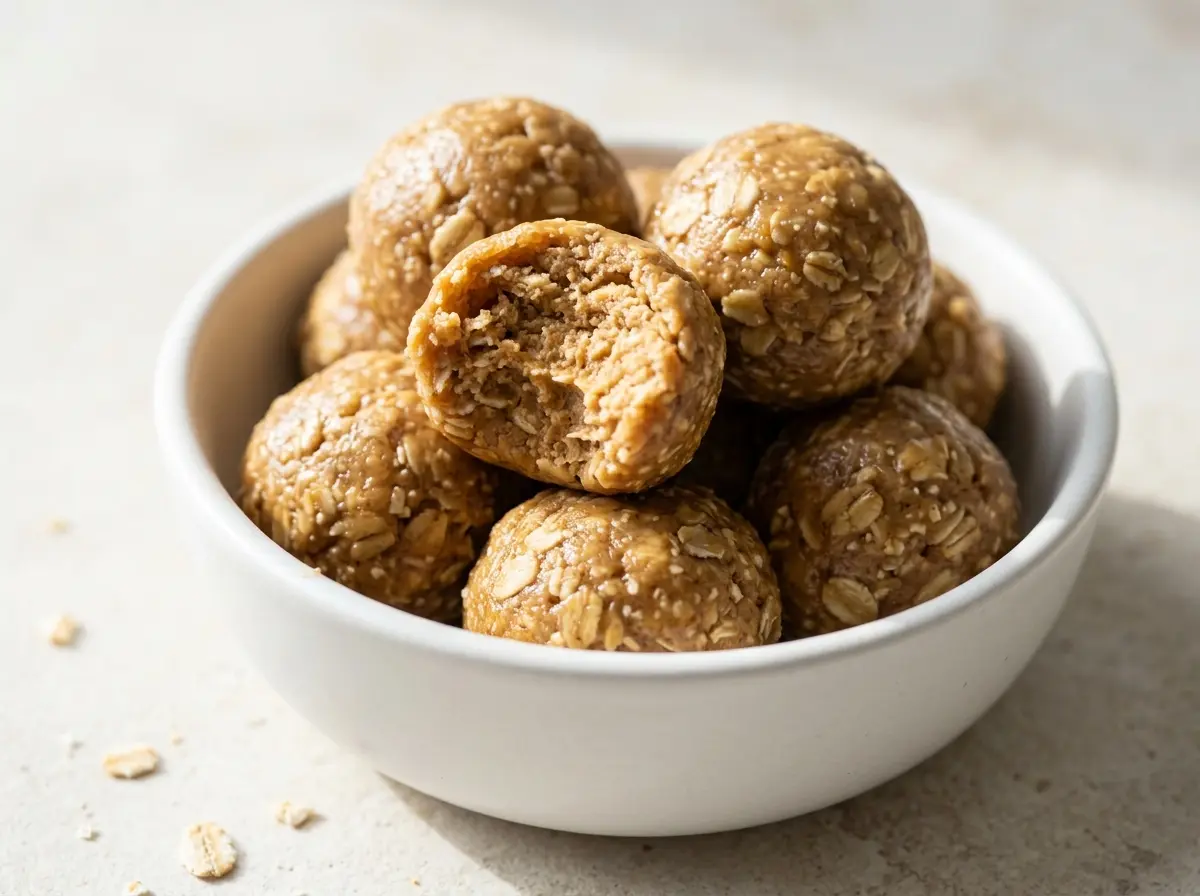
Matcha green tea honey protein balls are no-bake energy bites made by combining matcha powder with a protein source, a binding ingredient like nut butter, and raw honey for natural sweetness. Unlike baked energy bars, these require no oven and no cook time, just mixing, rolling, and a short chill in the refrigerator to firm up. The matcha gives the balls their signature green color and a mild, slightly bitter flavor that balances nicely against the sweetness of the honey.
Ingredients for Matcha Green Tea Honey Protein Balls (US Measurements)
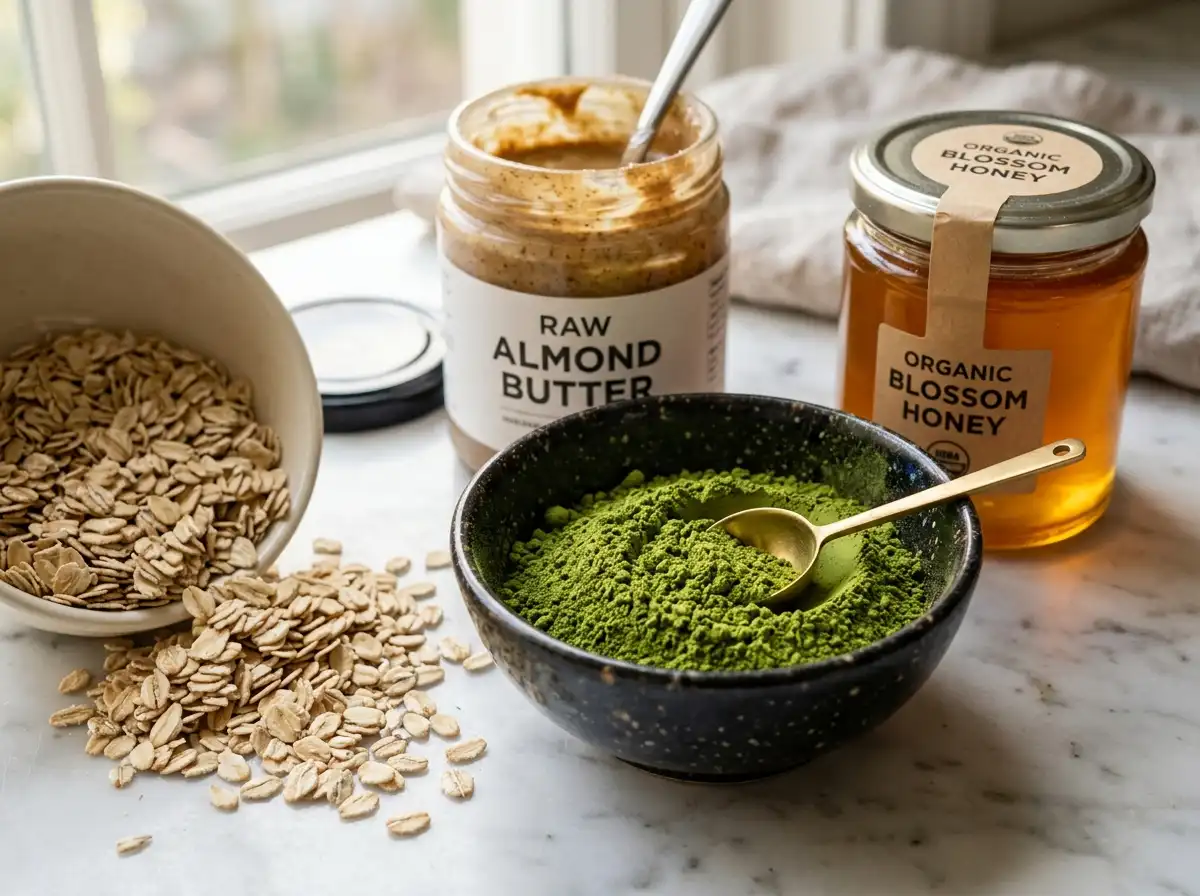
- 1 cup rolled oats
- 1/4 cup almond butter or peanut butter
- 2 tablespoons raw honey
- 1 to 2 teaspoons culinary grade matcha powder
- 1/4 cup protein powder of choice, optional (see substitution section below)
- 1 tablespoon chia seeds, optional
- Pinch of sea salt
- 1 to 2 tablespoons water or milk, only if needed to bind
Matcha is the ingredient doing the most nutritional heavy lifting here. According to Harvard Health Publishing, matcha contains abundant antioxidants including catechins, along with the amino acid L-theanine, which has been associated with improved concentration and alertness when consumed alongside caffeine.
How to Make Matcha Green Tea Honey Protein Balls Step by Step
Step 1: Combine the dry ingredients
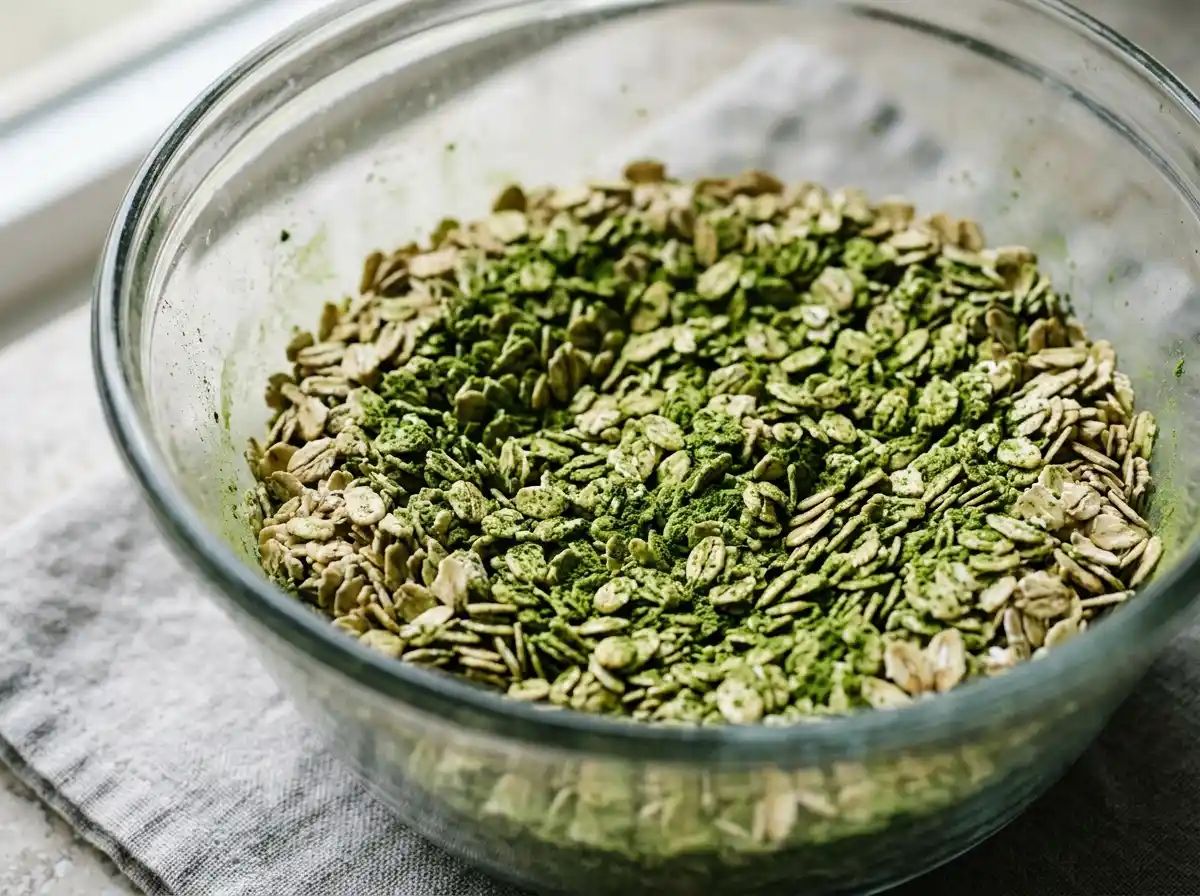
In a mixing bowl, whisk together the rolled oats, matcha powder, protein powder if using, and a pinch of sea salt until the matcha is evenly distributed. Sifting the matcha powder first, or whisking thoroughly, prevents clumps from ending up unevenly distributed throughout your matcha green tea honey protein balls.
Step 2: Add the wet ingredients
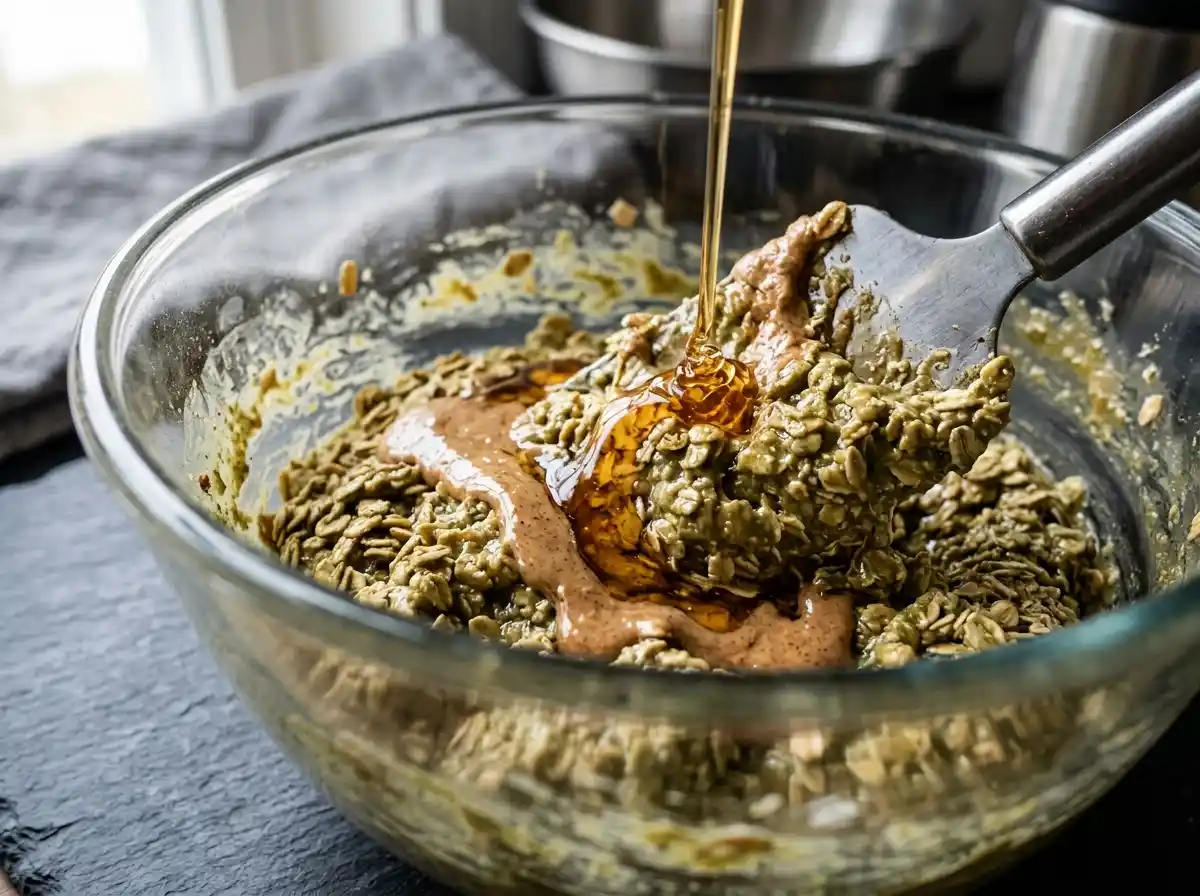
Add the almond butter and raw honey to the dry mixture, then stir with a spatula or your hands until a thick, slightly sticky dough forms. If the mixture feels too dry to hold together, add water or milk one tablespoon at a time until it reaches a moldable consistency.
Step 3: Fold in chia seeds
Stir in the chia seeds if using, distributing them evenly throughout the dough for added texture and fiber. This step is optional, but chia seeds help the balls hold their shape slightly better once chilled.
Step 4: Roll into balls
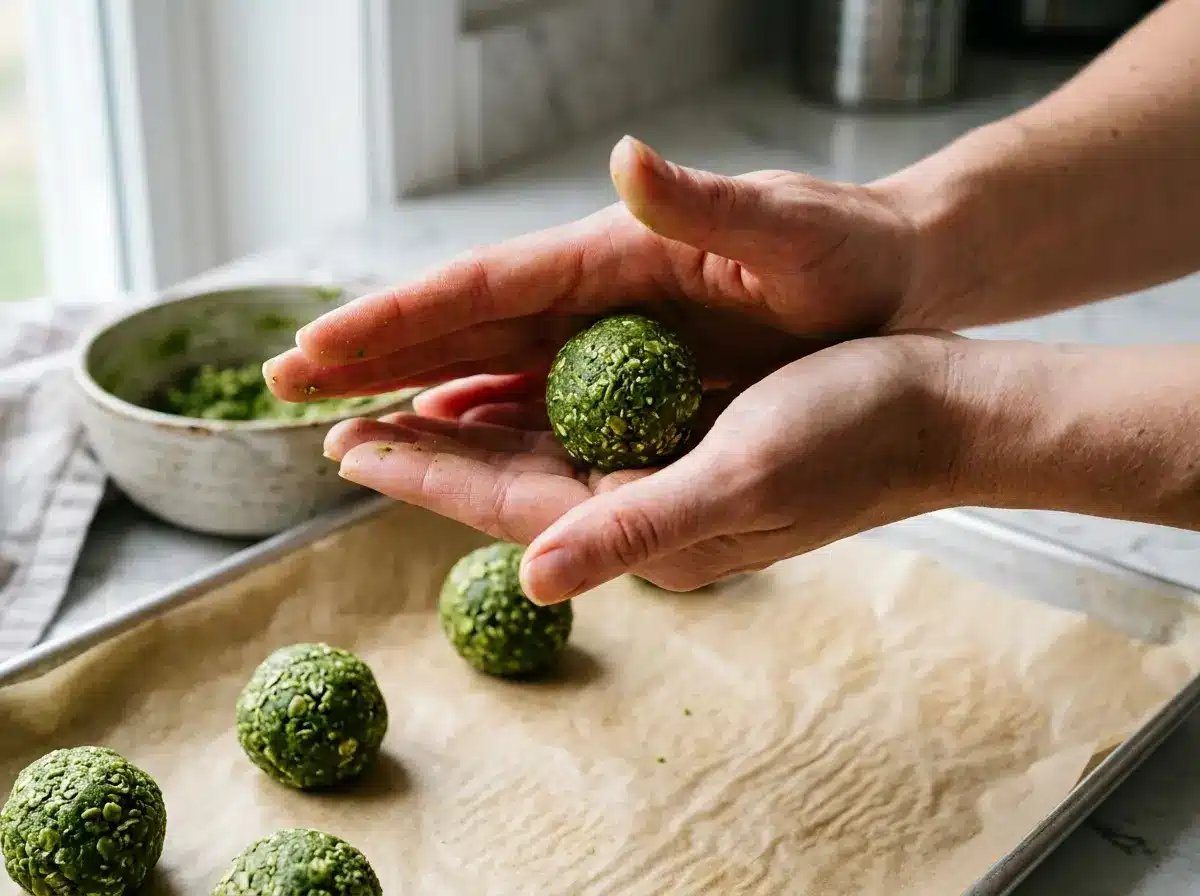
Scoop about one tablespoon of dough at a time and roll it between your palms into a smooth, one-inch ball. Place each ball on a plate or baking sheet lined with parchment paper as you go, keeping them from touching so they do not stick together.
Step 5: Chill and store
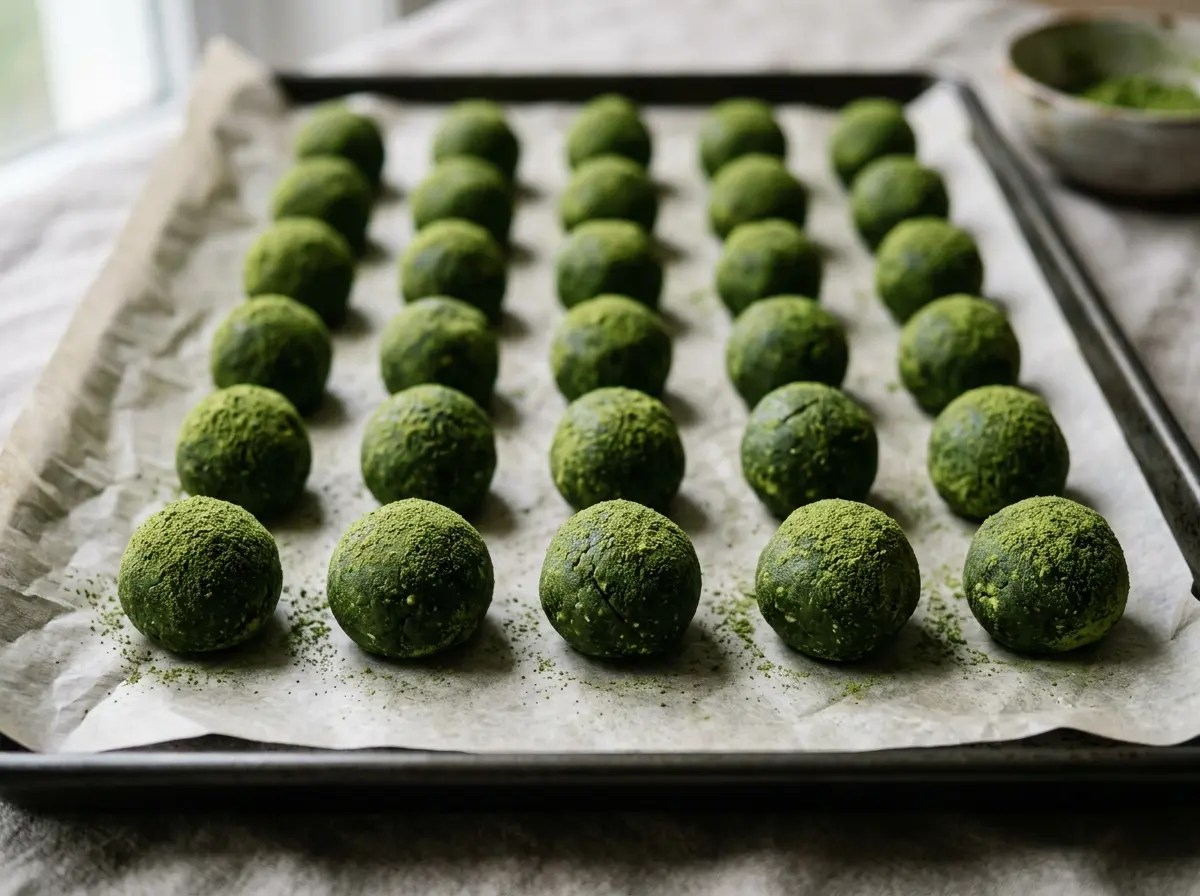
Refrigerate the rolled balls for at least 20 minutes to allow them to firm up before eating. Once set, transfer them to an airtight container and store in the refrigerator or freezer, depending on how long you plan to keep them.
How to Make Matcha Green Tea Honey Protein Balls Without Protein Powder
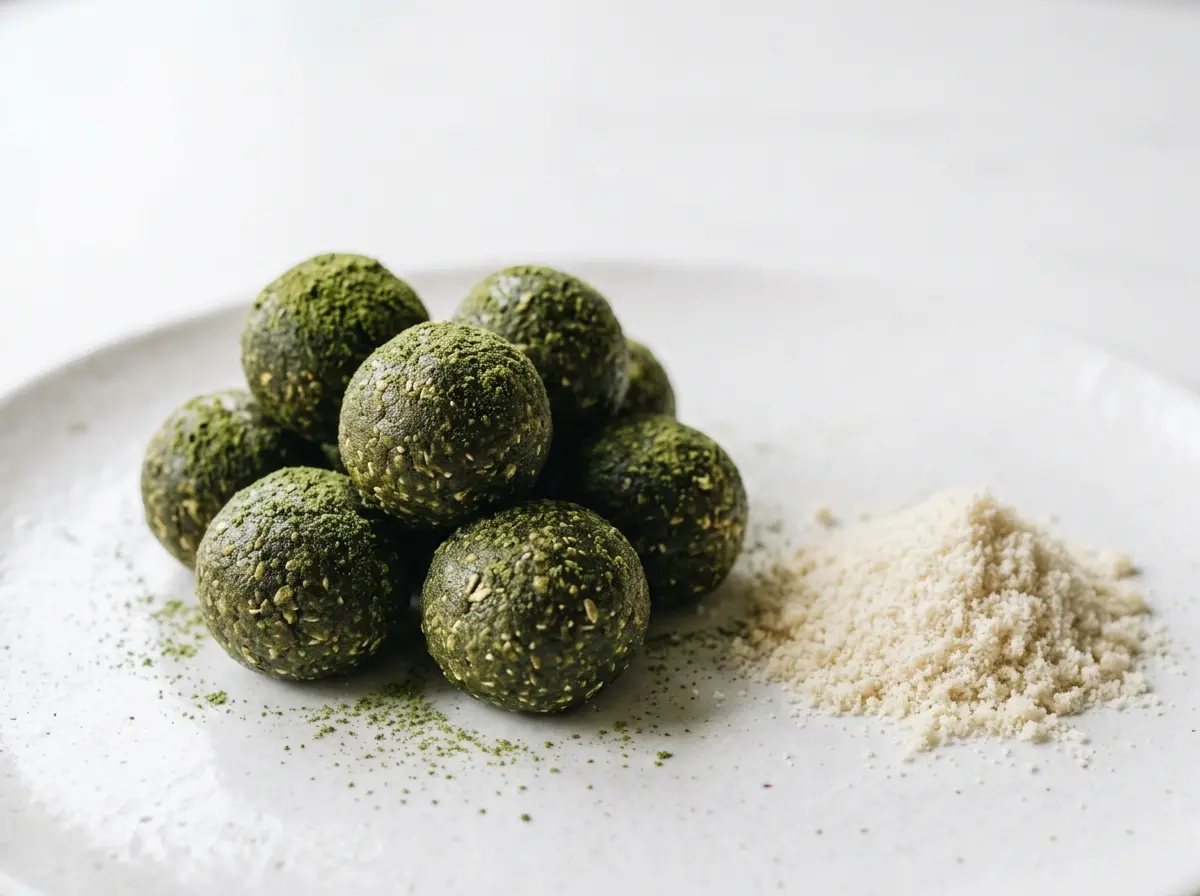
If you prefer to skip protein powder, these matcha green tea honey protein balls still work well using naturally protein-rich substitutes instead. Almond flour or a larger portion of nut butter both add protein without an added powder, while rolled oats contribute a modest amount on their own. The texture will be slightly denser without protein powder, so you may need to add an extra tablespoon of honey or nut butter to keep the dough from crumbling.
Substitution Options
| Ingredient | Substitute | Effect on Recipe |
|---|---|---|
| Protein powder | Extra almond flour or nut butter | Slightly denser texture, still holds shape |
| Almond butter | Cashew butter or sunflower seed butter | Milder flavor, nut-free option available |
| Raw honey | Maple syrup | Slightly less thick, more neutral sweetness |
| Rolled oats | Oat flour or almond flour | Smoother texture, less chew |
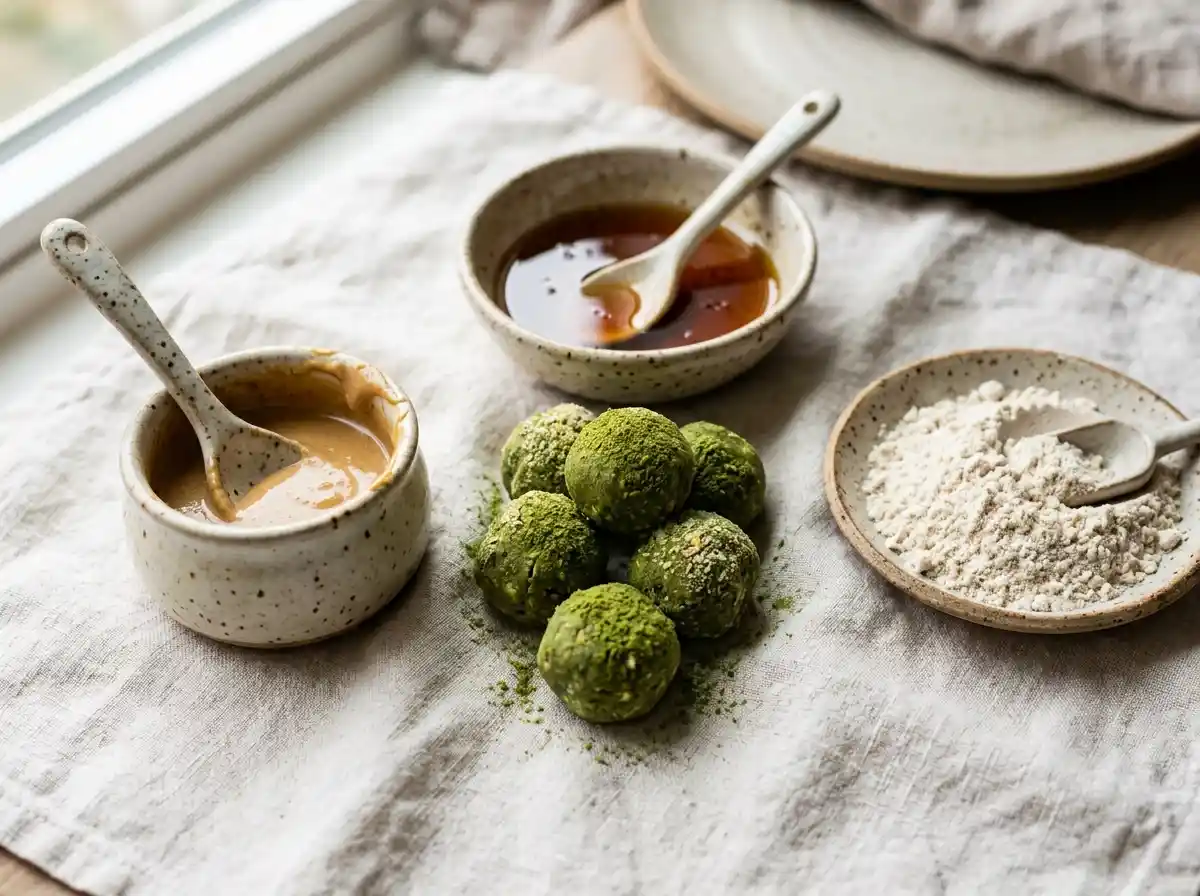
For another naturally sweetened snack that skips refined sugar entirely, my honey banana Thai dessert recipe uses a similar honey-forward approach in a completely different format.
What Does Matcha Actually Do? A Fact-Based Look
Matcha has picked up a lot of exaggerated claims online, so it is worth separating what is actually supported by research from what is marketing. According to Harvard Health, one 8-ounce cup of matcha contains between 38 and 89 milligrams of caffeine, compared to 23 to 49 milligrams in regular green tea and 100 to 120 milligrams in coffee, meaning matcha sits in a genuine middle ground rather than being dramatically more potent than either. A 2022 review published through the National Institutes of Health found that matcha may modestly enhance attention and memory and can help reduce stress in some studies, though the researchers noted it had no measurable effect on mood.
The amino acid L-theanine found in matcha, paired with its caffeine content, is genuinely associated with calm, steady alertness rather than the jittery spike some people experience from coffee. That said, claims that matcha dramatically boosts metabolism, burns fat, or prevents disease outright are not well supported by strong clinical evidence, so it is best to think of matcha as a pleasant, moderately caffeinated antioxidant source rather than a miracle ingredient.
Are Matcha Protein Balls Good for Weight Loss?
Matcha green tea honey protein balls can fit into a weight-conscious diet since they are portion-controlled by design, typically 60 to 100 calories per ball depending on your exact ingredients. The combination of protein, fiber from oats, and healthy fats from nut butter helps promote fullness better than a sugary snack alone, which can support better portion control throughout the day. That said, no single snack causes weight loss, and eating several balls in one sitting can add up in calories just as quickly as any other snack food.
5 Mistakes to Avoid With This Recipe
- Using too much matcha. Start with one teaspoon and add more gradually, since matcha’s flavor turns bitter quickly if overused.
- Skipping the chill time. The balls need at least 20 minutes in the fridge to firm up properly before eating.
- Adding too much liquid at once. Add water or milk in small amounts, since it is easy to make the dough too sticky to roll.
- Using low-quality matcha. Culinary grade matcha works well for this recipe and is more affordable than ceremonial grade, which is better suited for drinking.
- Storing at room temperature too long. These balls contain nut butter and honey, which stay freshest when refrigerated rather than left out.
FAQ About Matcha Green Tea Honey Protein Balls
How long do matcha protein balls last?
Stored in an airtight container in the refrigerator, matcha green tea honey protein balls typically stay fresh for about one week. In the freezer, they can last up to three months, making them a convenient snack to batch prepare ahead of time. Let frozen balls thaw for a few minutes at room temperature before eating for the best texture.
Can I make these without a food processor?
Yes, this recipe is designed to be made entirely by hand with a mixing bowl and a spatula or spoon. A food processor can help if you want a smoother, more uniform texture, particularly if using whole oats instead of oat flour, but it is not required for a successful batch.
Why is my matcha protein ball dough too crumbly?
Crumbly dough usually means there is not enough wet ingredient relative to the dry ingredients in the mix. Adding an extra tablespoon of honey, nut butter, or a small splash of water or milk usually solves the problem and helps the dough hold together when rolled.
Is matcha safe to eat every day?
Most healthy adults can enjoy matcha daily in moderate amounts, similar to how they might drink coffee or tea. Because matcha contains caffeine, individuals who are sensitive to caffeine, pregnant, or advised by a doctor to limit caffeine intake should be mindful of their overall daily consumption across all sources. As with most foods, moderation and awareness of your personal tolerance matter most.
What is the difference between culinary and ceremonial grade matcha?
Culinary grade matcha has a slightly more robust, sometimes more bitter flavor and is intended for baking, blending, and recipes like these protein balls. Ceremonial grade matcha is smoother and more delicate, generally reserved for drinking on its own since it is more expensive and its subtle flavor can get lost when mixed with other strong ingredients. For a recipe like this one, culinary grade is the more practical and cost-effective choice.
Can kids eat matcha protein balls?
Since matcha contains caffeine, parents should consider portion size and their child’s individual caffeine sensitivity before offering these regularly. A smaller ball size or a reduced amount of matcha powder can make this snack more appropriate for younger children. As always, consult a pediatrician with specific questions about caffeine intake for kids.
Can I add chocolate to matcha protein balls?
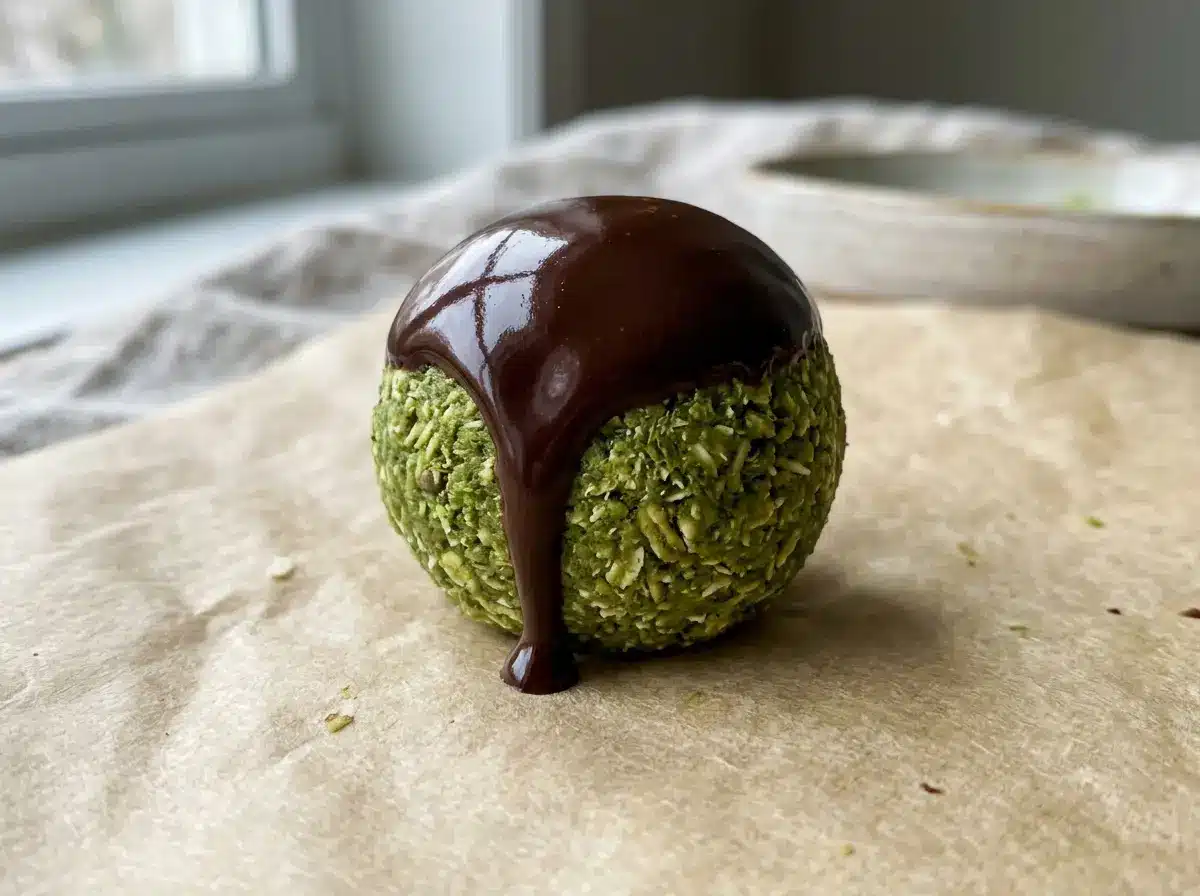
Yes, a light coating of melted dark chocolate or white chocolate works well over these matcha green tea honey protein balls once they have chilled and firmed up. Dip each ball briefly, then return it to the parchment-lined tray and refrigerate again until the coating sets. This adds a slightly indulgent finish without changing the core texture of the protein ball underneath.
Conclusion
These matcha green tea honey protein balls turned out to be exactly the snack I needed: something that keeps me full, gives a gentler energy boost than coffee, and does not rely on refined sugar to taste good. Once you have the base ratio down, feel free to experiment with different nut butters or add-ins to make the recipe your own. If you enjoyed this one, browse my full collection of honey recipes for more naturally sweetened snacks and treats.
The content on HoneyGlowKitchen.com is for informational and inspirational purposes only and does not constitute medical or nutritional advice. Honey should not be given to infants under 12 months. This recipe contains caffeine from matcha; those sensitive to caffeine or pregnant should consult their healthcare provider before consuming regularly. Nutritional values are estimates only.