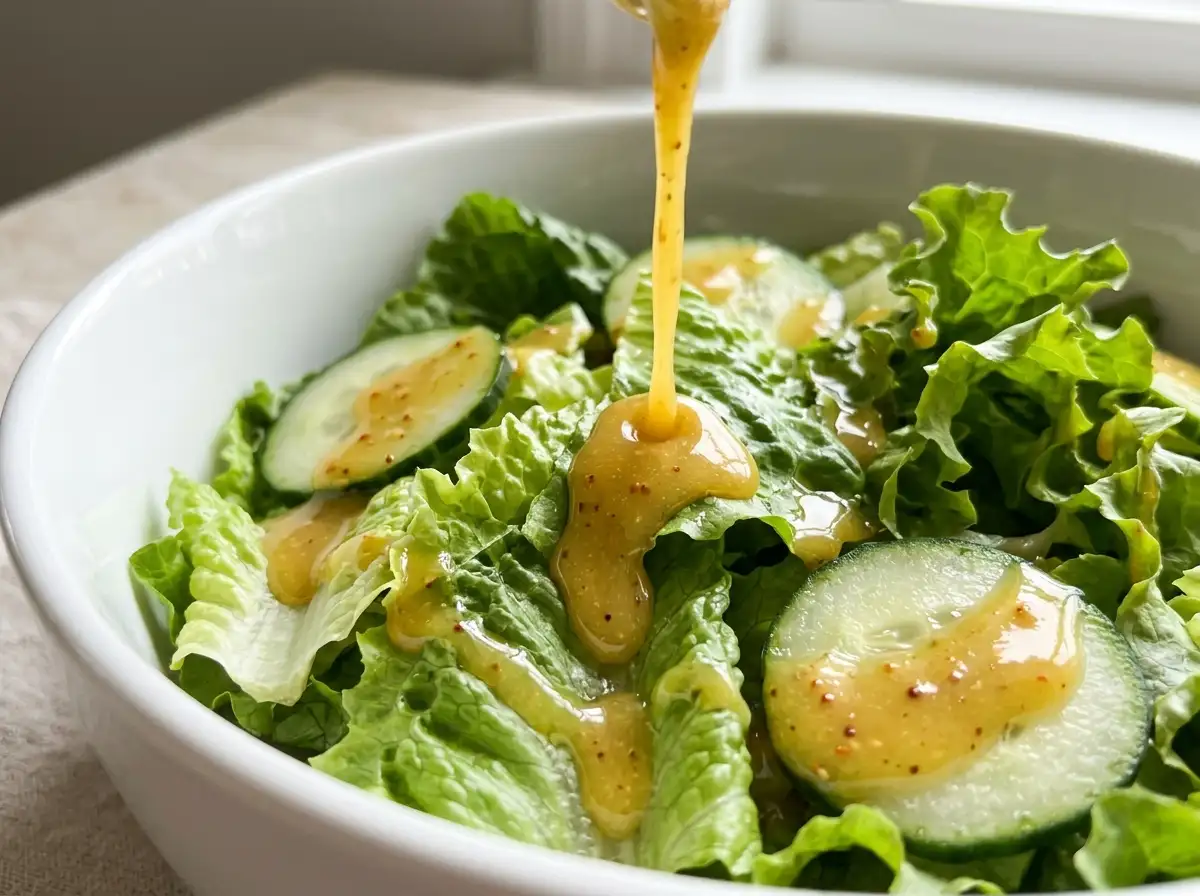
Honey mustard salad dressing brings together everything a good homemade dressing needs: a little sweetness, a bright tang, and enough creamy texture to cling to a forkful of greens. You do not need mayonnaise, a blender, or a long shopping list to make it. A spoonful of honey, Dijon mustard, vinegar, and olive oil can turn a plain salad into something worth sitting down for.
This simple honey mustard dressing recipe starts with four core ingredients and takes about five minutes to mix. The result is smooth, golden, and pleasantly sharp, with room to adjust the sweetness and consistency to your taste. Drizzle it over crunchy lettuce, spoon it onto a grain bowl, or use a thicker version alongside roasted vegetables.
Here at HoneyGlowKitchen, honey belongs in savory cooking just as comfortably as it does in a breakfast bowl. In this recipe, it balances the mustard rather than taking over. If you prefer a dairy-based sauce, our Greek yogurt honey mustard recipe offers a different approach that also works as a dip or sandwich spread.
Table of Contents
Table of Contents
Quick Recipe Overview
- Preparation time: about 5 minutes.
- Cooking time: none.
- Yield: approximately 1/2 cup.
- Servings: approximately 4 servings of 2 tablespoons each.
- Texture: smooth, lightly creamy, and pourable.
- Flavor: sweet, tangy, and gently sharp.
- Equipment: measuring spoons, a small bowl and whisk, or a clean jar with a tight-fitting lid.
What Makes This Honey Mustard Salad Dressing Work?
The most useful word for this dressing is balance. Honey softens the sharpness of Dijon mustard. Vinegar keeps the mixture from becoming too sweet. Olive oil rounds out the flavor and gives the dressing a silky finish. None of those ingredients needs to dominate, and you can adjust each one without starting the recipe again.
This is a vinaigrette-style dressing rather than a mayonnaise-based sauce. It can look creamy once whisked even though it contains no cream. That distinction matters when you want a dressing that coats lettuce lightly instead of sitting on top in a heavy layer.
A similar combination appears in Mississippi State University Extension’s honey mustard dressing: oil, vinegar, honey, Dijon mustard, lemon juice, and pepper, shaken together in a jar. The university recommends it for cold cooked pasta and vegetables as well as keeping leftovers refrigerated. This four-ingredient version follows the same practical sweet-and-tangy approach without requiring the extra lemon juice.
Honey Mustard Salad Dressing Ingredients
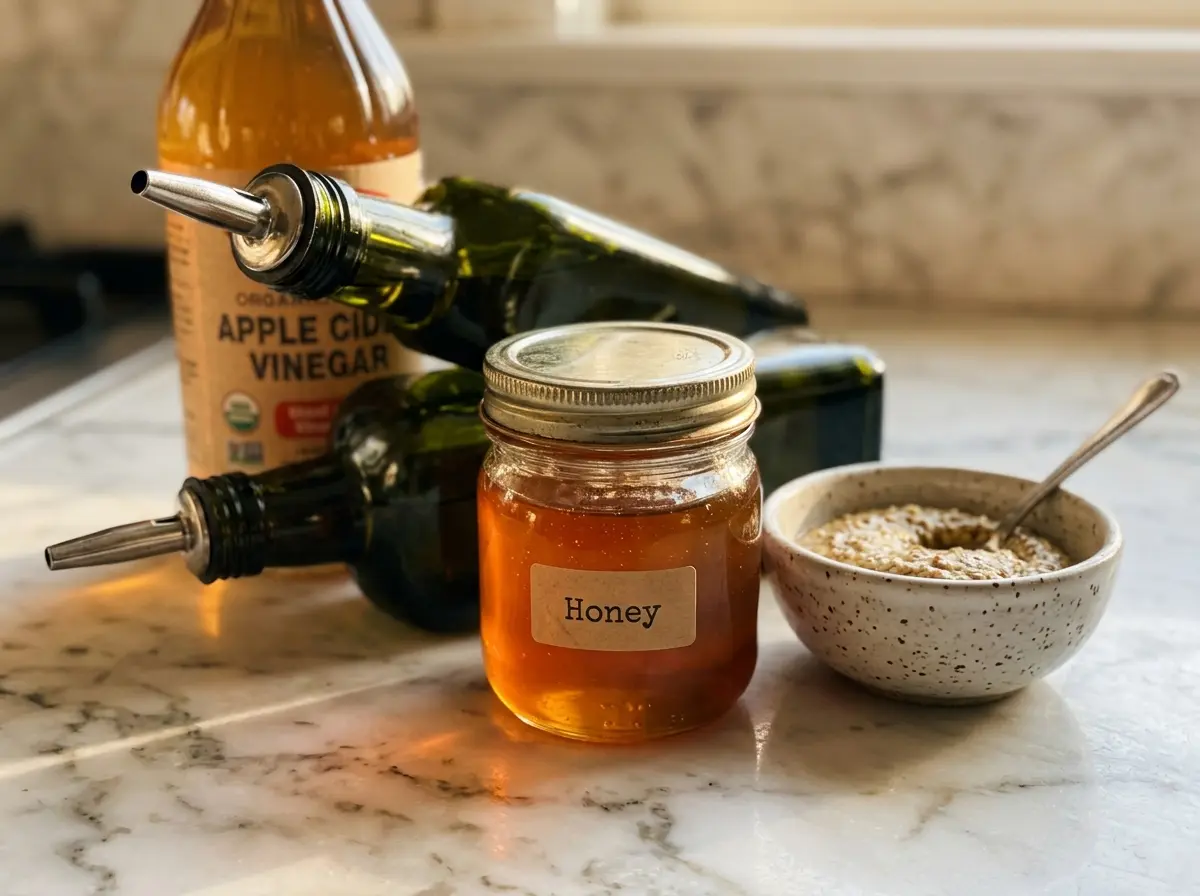
The Four-Ingredient Base
- 3 tablespoons extra-virgin olive oil.
- 2 tablespoons Dijon mustard.
- 2 tablespoons apple cider vinegar.
- 1 tablespoon honey.
Optional Finishing Ingredients
- A small pinch of fine salt, only if needed after tasting.
- Freshly ground black pepper, to taste.
- 1 to 2 teaspoons water, if you prefer a thinner dressing.
The four core ingredients make approximately eight tablespoons before optional additions, giving you roughly half a cup. That is a manageable batch for a few salads rather than a large bottle that sits forgotten behind the milk.
Keeping salt and water optional also makes the recipe easier to adapt. Some Dijon mustards are noticeably saltier or thicker than others, so taste the finished dressing before adding either one.
Choosing the Honey
A mild honey is a useful starting point because it allows the mustard and vinegar to remain clear and bright. If you enjoy a more pronounced honey flavor, use a stronger variety, but begin with the same measured amount. You can always add another small drizzle after tasting.
Raw honey is optional, not a requirement for a successful dressing. Choose honey for its flavor, availability, and consistency rather than treating a particular label as essential. If your honey has crystallized, gently warm the sealed container in warm water until it becomes easy to measure, following the container’s handling guidance.
Choosing the Mustard
Dijon gives the base recipe a smooth texture and a distinct savory edge. Wholegrain mustard creates a more textured result with visible seeds. Yellow mustard produces a different, more familiar sandwich-style flavor, so treat it as a variation rather than expecting an identical dressing.
For your first batch, use the mustard you actually enjoy eating. A dressing cannot hide a mustard flavor you dislike, especially when there are only four ingredients in the bowl.
How to Make Honey Mustard Salad Dressing
Step 1: Mix the Honey and Mustard
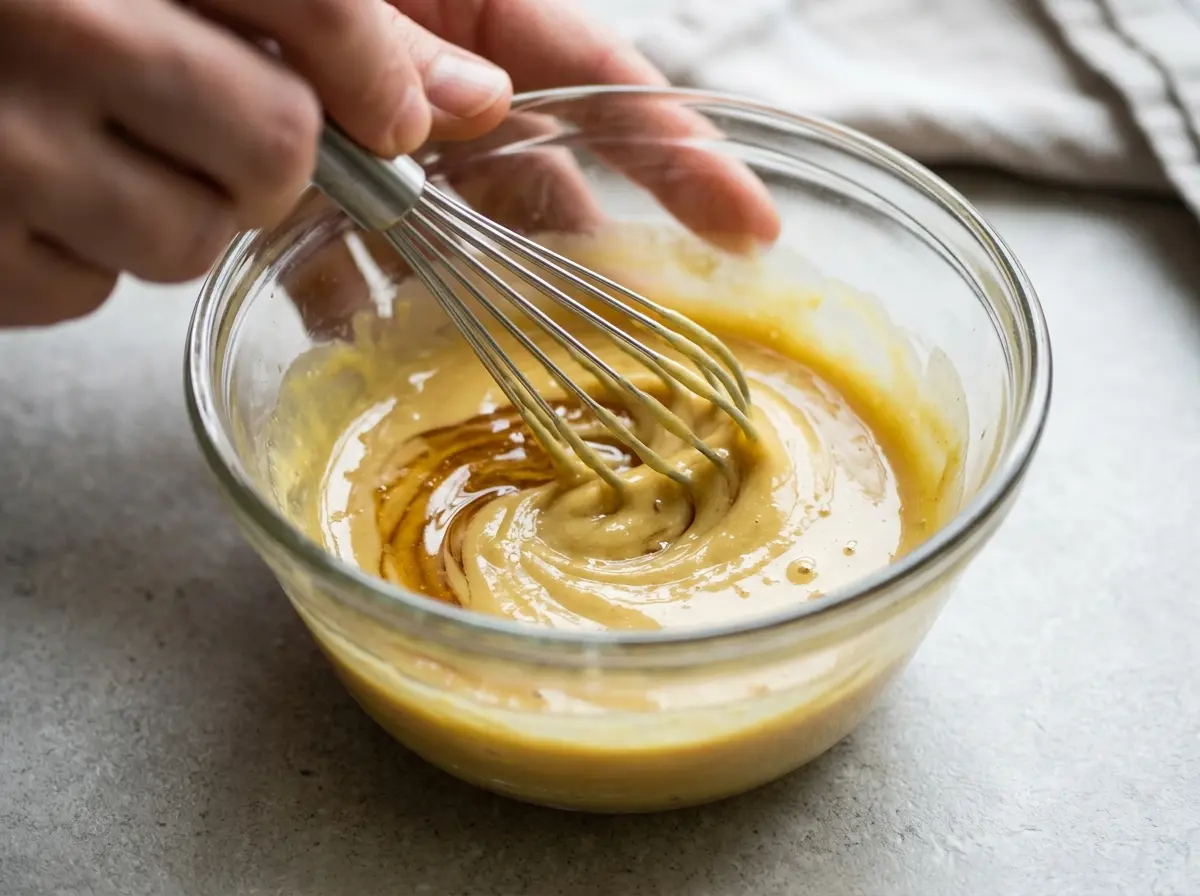
Put the Dijon mustard and honey into a small bowl. Whisk until the mixture looks uniform, scraping any honey from the bottom and sides. Combining these ingredients first makes it easier to avoid little pockets of undissolved honey later.
If you are using the jar method, add both ingredients to the jar and stir briefly with a spoon. Choose a jar with enough empty space to shake the dressing comfortably.
Step 2: Add the Vinegar
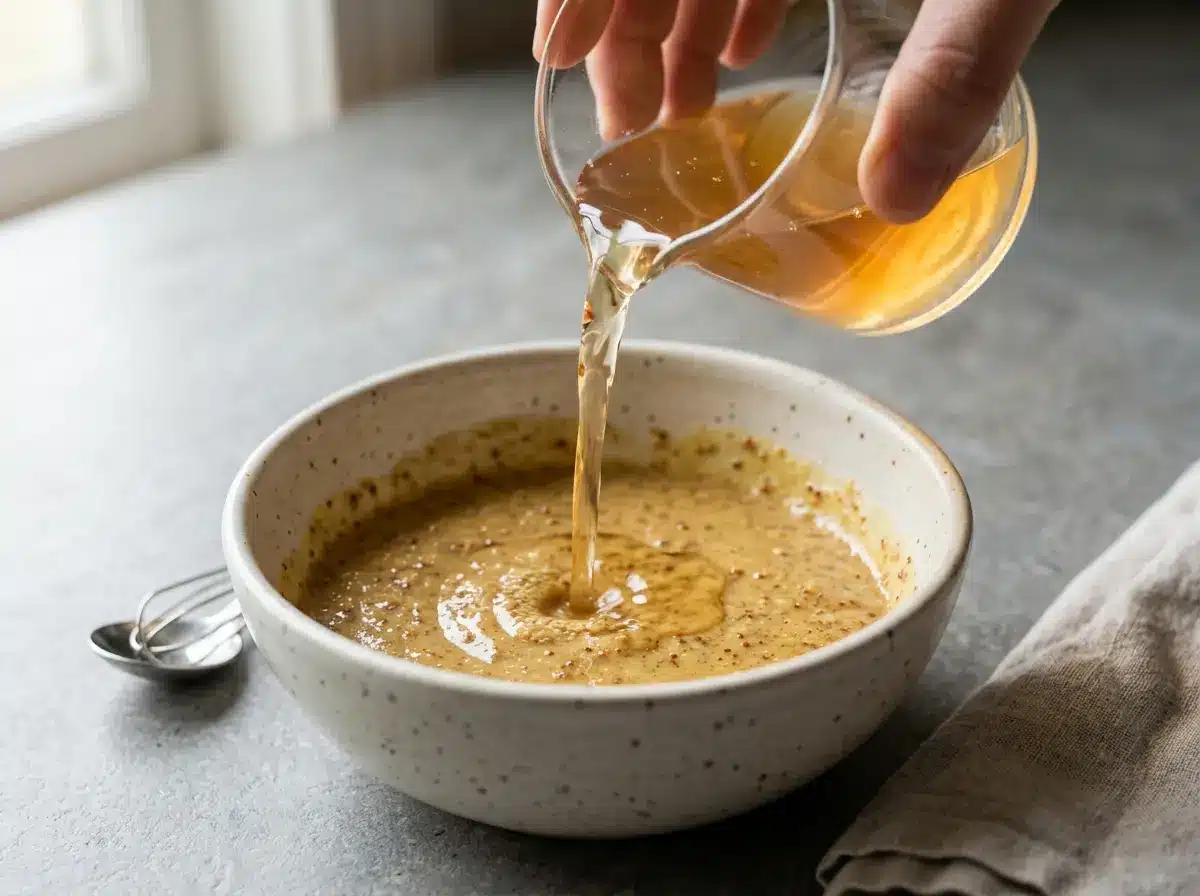
Pour in the apple cider vinegar and whisk again. The mixture will loosen and look sharper and more fluid. At this stage, its flavor will be intense because the oil has not yet rounded it out.
Do not adjust the sweetness just yet. Wait until all four ingredients are combined so you are tasting the finished balance rather than an incomplete mixture.
Step 3: Whisk in the Oil
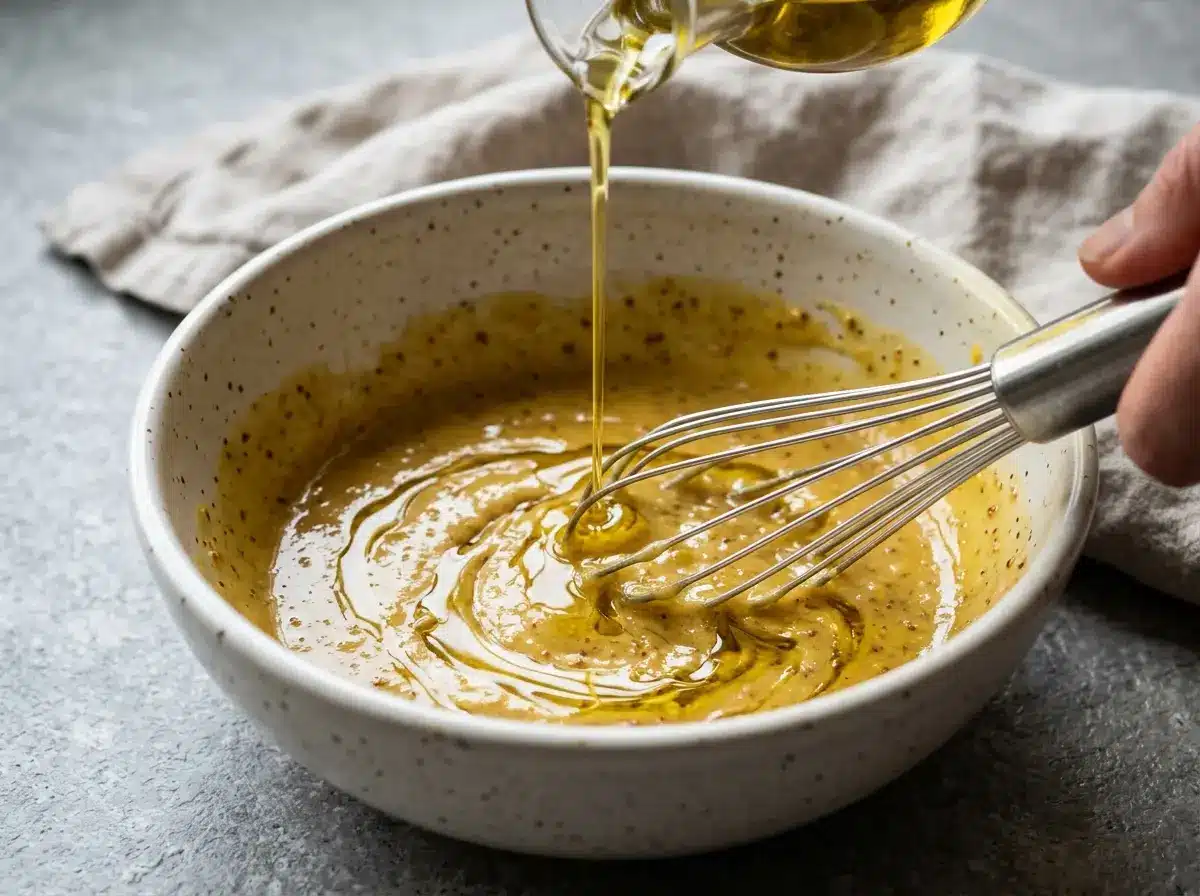
Add the olive oil gradually while whisking. Continue until the dressing looks evenly blended and slightly thicker. You are aiming for a smooth, pourable consistency that leaves a light coating on the back of a spoon.
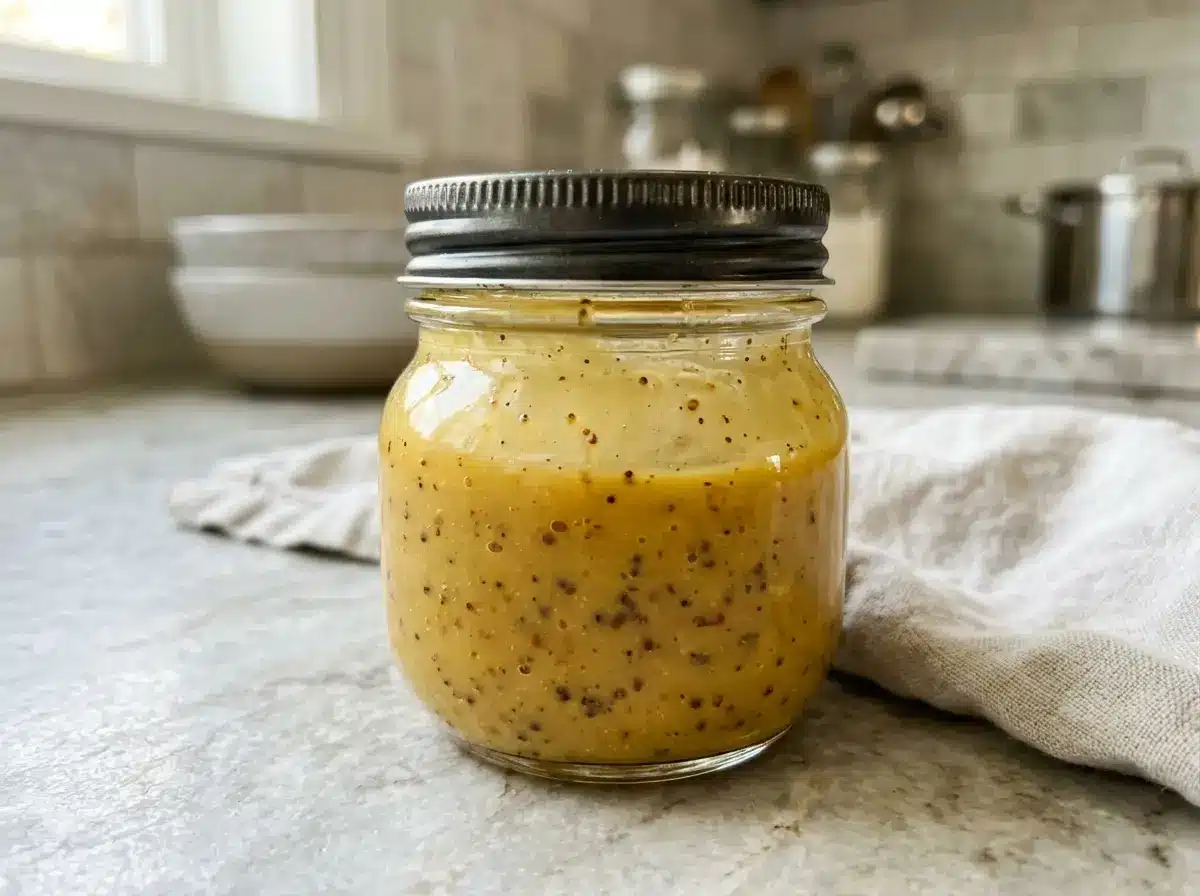
Alternatively, add the oil to your jar, secure the lid tightly, and shake vigorously until the ingredients come together. Mississippi State University Extension uses this jar-and-shake method for its own honey mustard dressing, making it a practical option when you want less washing up.
Step 4: Taste on a Salad Leaf
Dip a clean piece of lettuce or cucumber into the dressing and taste it. This gives you a better sense of how the dressing will work in a salad than tasting a concentrated spoonful alone.
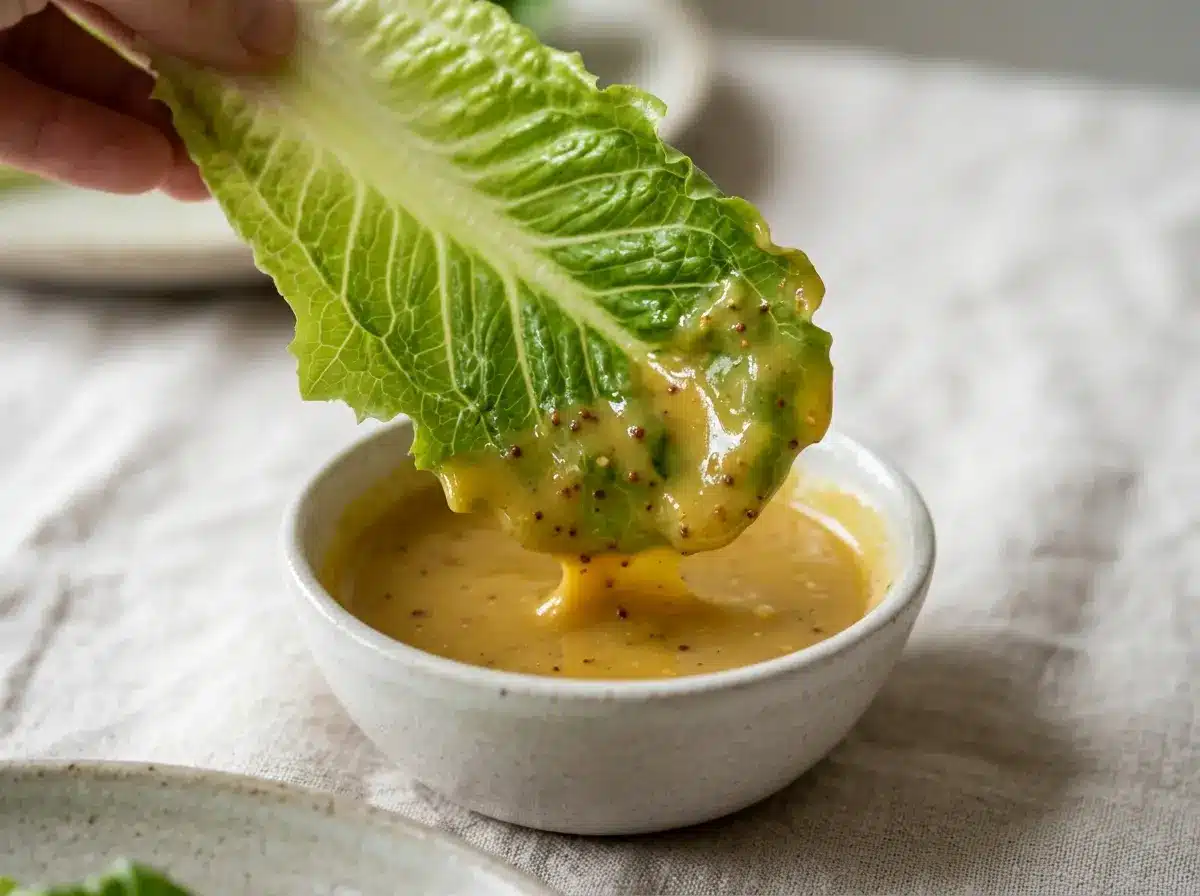
Add a little more honey if it is too sharp, a few drops of vinegar if it is too sweet, or a teaspoon of water if it needs thinning. Finish with pepper and a small pinch of salt only if necessary.
PrintHoney Mustard Salad Dressing: 4 Ingredients, Big Flavor

Easy honey mustard salad dressing made with honey, Dijon mustard, apple cider vinegar, and olive oil. A 5-minute no-cook recipe with a smooth, sweet-and-tangy finish.
- Prep Time: 5 minutes
- Cook Time: 0 minutes
- Total Time: 5 minutes
- Yield: Approximately 1/2 cup (4 servings of 2 tablespoons) 1x
- Category: Honey Recipes, Salad Dressings
- Method: Whisk or Shake
- Cuisine: American
Ingredients
3 tablespoons extra-virgin olive oil
2 tablespoons Dijon mustard
2 tablespoons apple cider vinegar
1 tablespoon honey
A small pinch of fine salt, only if needed after tasting
Freshly ground black pepper, to taste
1 to 2 teaspoons water, if you prefer a thinner dressing
Instructions
1. Whisk the Dijon mustard and honey together in a small bowl until uniform.
2. Pour in the apple cider vinegar and whisk again until the mixture loosens.
3. Add the olive oil gradually while whisking until the dressing is smooth and slightly thicker.
4. Taste the dressing on a clean piece of lettuce or cucumber.
5. Adjust with more honey, vinegar, water, pepper, or a small pinch of salt as needed.
6. Serve immediately or store in a covered jar in the refrigerator.
Notes
Whisk again or shake the jar before serving if the dressing separates.
Add water one teaspoon at a time to thin the consistency.
Store in a covered container in the refrigerator and use within 5 days as a conservative household practice.
This recipe contains honey and is not vegan; maple syrup can be used as a different sweetener variation.
Nutrition
- Serving Size: 2 tablespoons
How to Adjust the Flavor Without Losing the Balance
The best honey mustard dressing recipe for your kitchen is the one that suits the food you are serving. A bowl of bitter greens may welcome more sweetness, while a salad containing apples or dried fruit may need a sharper dressing.
| What You Notice | What to Add | How to Adjust |
|---|---|---|
| Too sharp | Honey or a little additional oil | Add 1/2 teaspoon honey or 1 teaspoon oil, whisk, and taste again. |
| Too sweet | Vinegar or Dijon mustard | Add 1/2 teaspoon at a time. |
| Too thick | Water | Add 1 teaspoon at a time until pourable. |
| Too thin | Dijon mustard | Add a small spoonful, whisk, and reassess the flavor. |
| Flavor seems flat | Pepper, a little vinegar, or a pinch of salt | Adjust one ingredient at a time rather than adding everything together. |
Write down any changes you love. A tiny note on your phone is enough: a little extra vinegar for cabbage, less honey for a fruit salad, or a thicker consistency for dipping. That turns a flexible recipe into a dependable house dressing.
Creamy Honey Mustard Dressing Variations
Dairy-Free Honey Mustard Dressing
The basic recipe contains no dairy or mayonnaise. Its smooth consistency comes from combining mustard, honey, vinegar, and oil. That makes it useful when you want a dairy-free honey mustard dressing without buying a specialty yogurt alternative.
Check the labels of your own ingredients if you are cooking for an allergy. The absence of dairy in the recipe does not replace checking individual products and avoiding cross-contact during preparation.
Greek Yogurt Variation
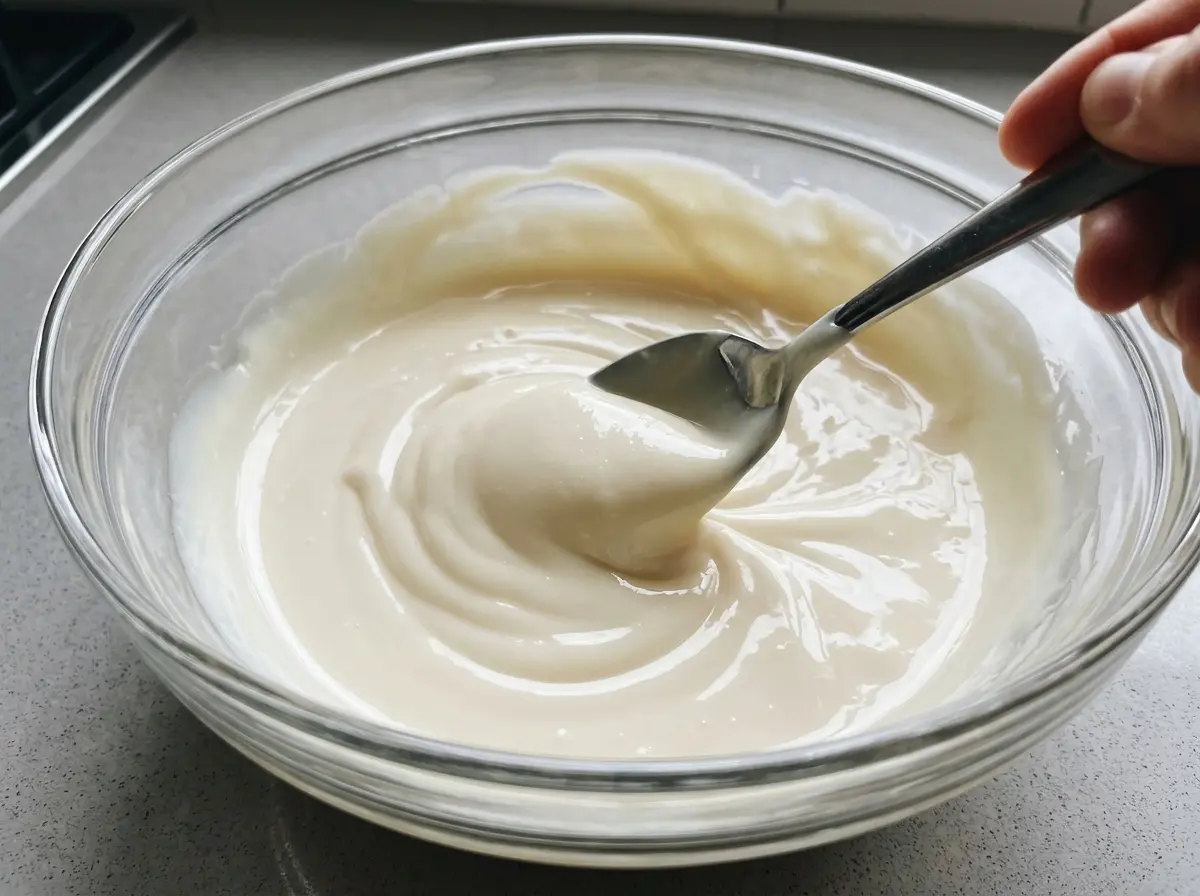
For a tangier, spoonable dressing, stir plain Greek yogurt into a small portion of the finished base. Begin with one tablespoon of yogurt for every two tablespoons of dressing, then adjust with water if necessary. Taste again because yogurt changes both the thickness and acidity.
If that is the style you want from the start, use the dedicated Greek yogurt honey mustard recipe rather than repeatedly altering a vinaigrette. That recipe is designed for salad dressing, dipping, and spreading. [370]
Wholegrain Mustard Salad Dressing
Replace one tablespoon of Dijon with one tablespoon of wholegrain mustard. This keeps some of the smooth base while adding little mustard seeds throughout the dressing. It is an appealing variation for hearty salads with potatoes, beans, or crunchy cabbage.
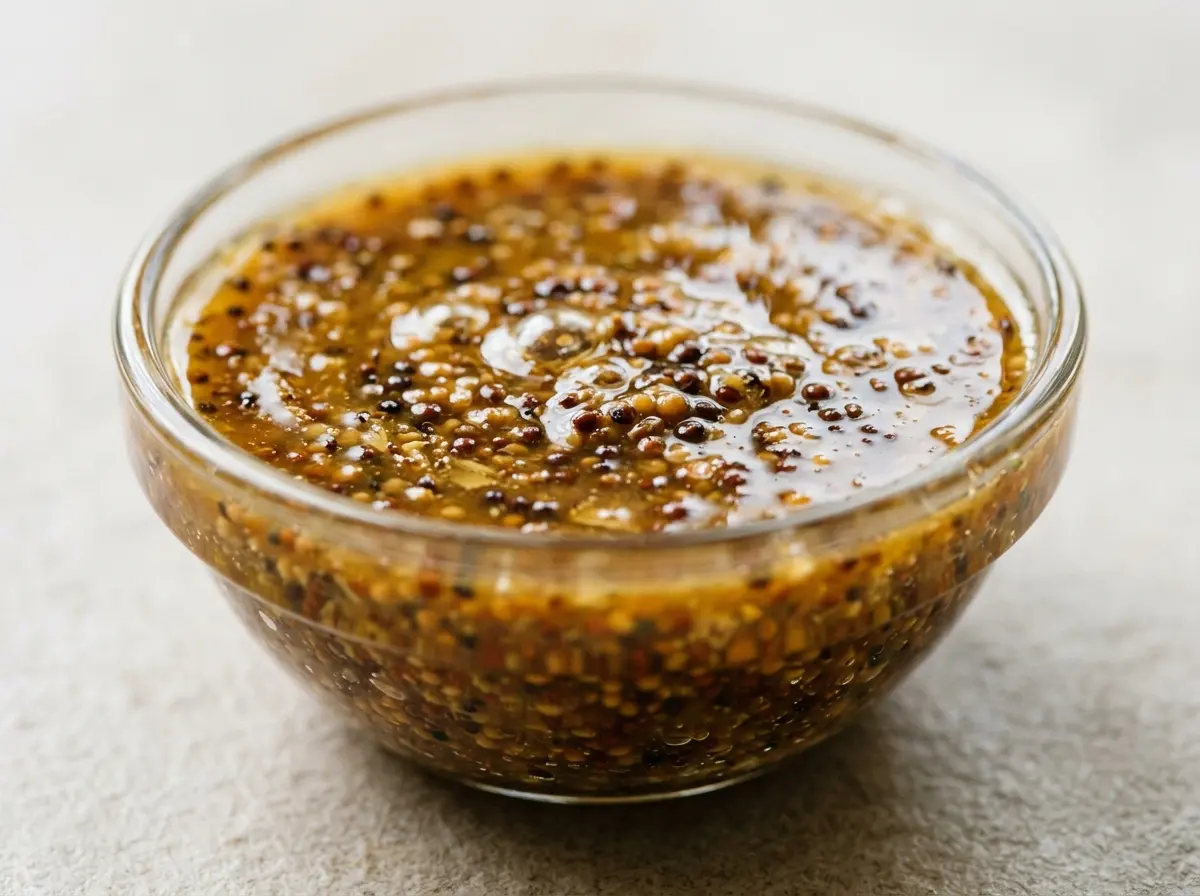
Wholegrain mustard can vary in strength and sweetness, so do not assume every brand will taste the same. Mix the dressing first, then decide whether it needs additional honey or vinegar.
Can You Make a Three-Ingredient Honey Mustard Dressing?
Yes, but it will be a different style. For a quick three-ingredient honey mustard dressing, mix two tablespoons Dijon mustard, one tablespoon honey, and one tablespoon apple cider vinegar. Taste, then add a little water if needed for pouring.
Without oil, this version tastes sharper and has less of the rounded finish of the main recipe. It is useful when you want a small amount of punchy sauce, but the four-ingredient honey mustard dressing is the better starting point for a balanced everyday salad.
Do not remove an ingredient solely to make the list shorter if that makes the dressing less enjoyable. Four pantry ingredients are still wonderfully simple, especially when each one contributes something distinct.
Quick Honey Mustard Dipping Sauce
Salad dressing and dipping sauce do not need the same consistency. For a quick honey mustard dipping sauce, combine two tablespoons Dijon mustard, one tablespoon honey, and one tablespoon commercially prepared mayonnaise. Stir until smooth and taste before adding anything else.
This is a separate variation, not the dairy-free vinaigrette above. It is thicker and more suited to vegetable sticks, sandwiches, or a small serving alongside cooked chicken. Commercial mayonnaise may contain egg, so check labels when serving someone with an allergy.
You can also use the original dressing as a lighter dip. Simply skip the optional water and serve a small amount in a ramekin instead of thinning it for salad leaves.
What to Serve With Honey Mustard Salad Dressing
A Crunchy Everyday Green Salad
Start with dry romaine or mixed lettuce, cucumber, thinly sliced carrots, and a few radishes. Add a small amount of dressing, toss thoroughly, and taste before pouring on more. A well-tossed salad often needs less dressing than one with a heavy drizzle across the top.
Dry greens matter here. Water clinging to the leaves dilutes the dressing and encourages it to collect at the bottom of the bowl instead of coating the vegetables.
A Chicken or Chickpea Lunch Bowl
Combine cooked chicken or chickpeas with greens, cooked grains, cucumber, and shredded cabbage. Add the dressing just before serving, then toss gently. The sweetness pairs nicely with the savory ingredients without requiring an additional sugary topping.
For packed lunches, keep the dressing in a separate small container. This helps preserve the crunch of the vegetables and gives you control over how much dressing you add at lunchtime.
A Salmon Salad
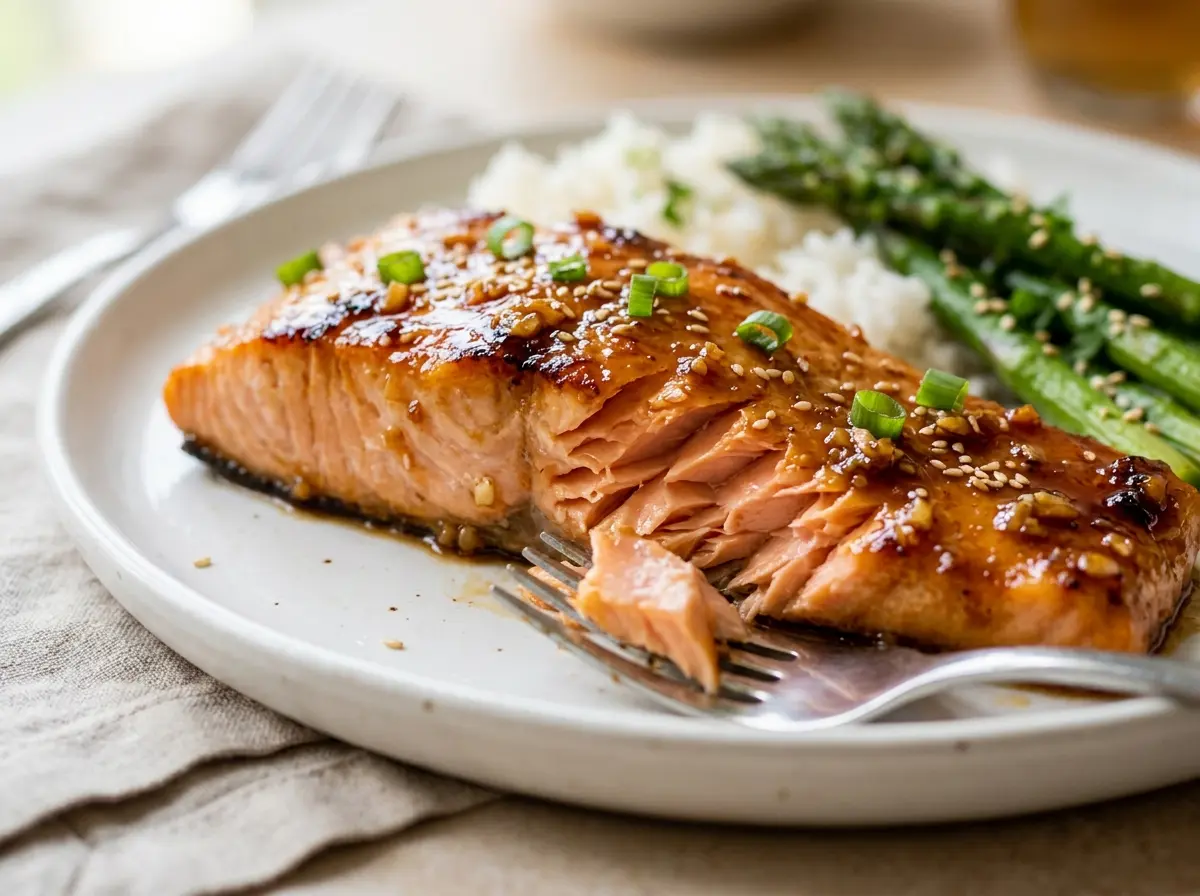
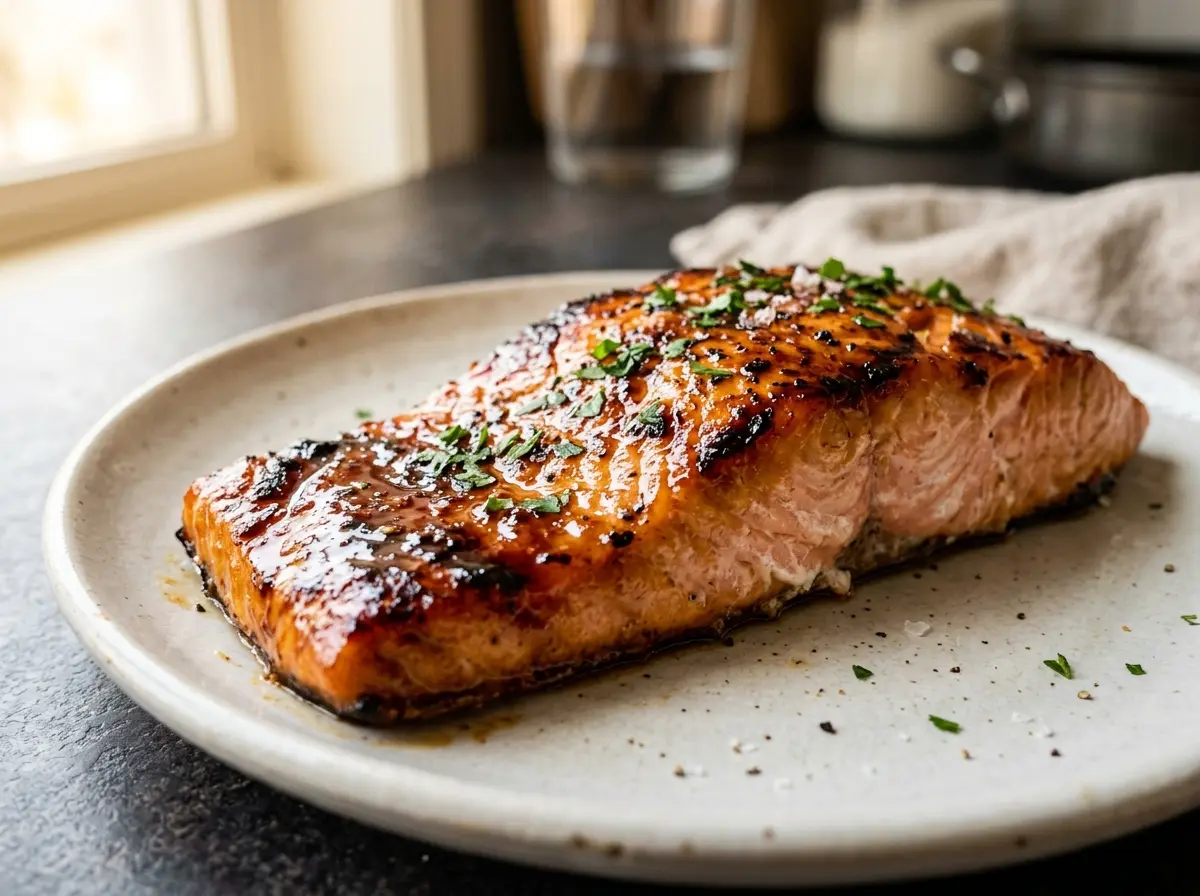
Flake cooled cooked salmon over greens with cucumber and a few slices of apple. Use a light hand with the dressing so the fish remains the main flavor. If you are planning a honey-themed dinner, our honey garlic salmon offers another savory way to use honey. Its glaze is a separate sauce, so taste the overall plate before adding extra sweetness.
Vegetables and Cold Pasta
Try the dressing over cooled cooked pasta with crisp vegetables, or spoon a small amount over cooked vegetables at serving time. Mississippi State University Extension specifically suggests its honey mustard dressing for cold cooked pasta and vegetables, showing that the combination works beyond a traditional bowl of lettuce.
Storage and Food Safety
Transfer the dressing to a clean, covered container and refrigerate it after preparation. Make a modest batch and plan to use this plain version within five days as a conservative household practice. This is not a laboratory-validated shelf life, and adding fresh herbs, garlic, yogurt, or other ingredients changes the mixture.
The FDA recommends keeping the refrigerator at 40°F or below and storing refrigerated food in covered containers. A refrigerator thermometer helps you check the actual temperature instead of relying only on the control setting. Read the FDA refrigerator food-safety guidance.
Use a clean spoon each time you serve the dressing. Do not pour dressing that has been sitting on a used plate back into the storage jar. Keep the jar refrigerated between meals rather than treating the mixture like an unopened commercial condiment.
If you want to use some as a marinade, reserve a separate clean portion for the salad before it touches raw meat or fish. The FDA advises against reusing marinade from raw foods as a sauce unless it is brought to a rapid boil first. Reserving a clean portion is the simpler option here.
Common Mistakes and Easy Fixes
- Adding extra honey before the oil: finish mixing the dressing before judging its sweetness.
- Using wet salad leaves: dry the greens so the dressing can coat them properly.
- Pouring in too much water: thin the dressing one teaspoon at a time.
- Salting automatically: taste first because mustard already contributes seasoning.
- Expecting permanent blending: shake or whisk again if the ingredients separate.
- Overdressing the salad: begin with a small amount, toss, and add more only if needed.
Frequently Asked Questions
What Is Honey Mustard Salad Dressing Made Of?
This version uses honey, Dijon mustard, apple cider vinegar, and olive oil. Optional salt, pepper, and water let you refine the flavor and texture. Other versions use mayonnaise or yogurt, so the name can refer to either a vinaigrette or a thicker creamy sauce.
Can I Use Lemon Juice Instead of Vinegar?
You can substitute lemon juice for flavor, beginning with the same amount and adjusting after tasting. Lemons vary, so expect a slightly different balance. Keep the mixture refrigerated and do not assume that swapping acids creates a shelf-stable dressing.
Why Has My Dressing Separated?
Some separation is normal in a homemade oil-based dressing. Close the jar and shake it again, or whisk the dressing briefly before serving. Separation alone is not the same as spoilage, but it also does not override storage time or food-safety precautions.
Is Honey Mustard Dressing Vegan?
This recipe contains honey, so it is not vegan. Maple syrup can provide a different sweetener for a vegan-style variation if all the other ingredients are suitable. Because maple syrup has a different flavor and consistency, taste and adjust the finished mixture.
Is This the Jamie Oliver Honey Mustard Dressing?
No. This is HoneyGlowKitchen’s four-ingredient version, not a reproduction of a Jamie Oliver recipe. Honey mustard dressings share familiar ingredients, but measurements and techniques vary. Follow a named creator’s published recipe if you want that specific version.
Can I Make It Ahead?
Yes. Mix the dressing, refrigerate it in a covered jar, and shake before serving. Keep the salad ingredients separate until mealtime when you want crisp leaves. Label the container with the preparation date so it is easy to track.
Does Homemade Automatically Mean Lower in Calories?
No. Olive oil and honey still contribute energy, and portion size matters. Making dressing at home gives you control over the ingredients and flavor, but it does not automatically make it low-calorie, sugar-free, or appropriate for every dietary need.
A Small Jar That Makes Salad More Inviting
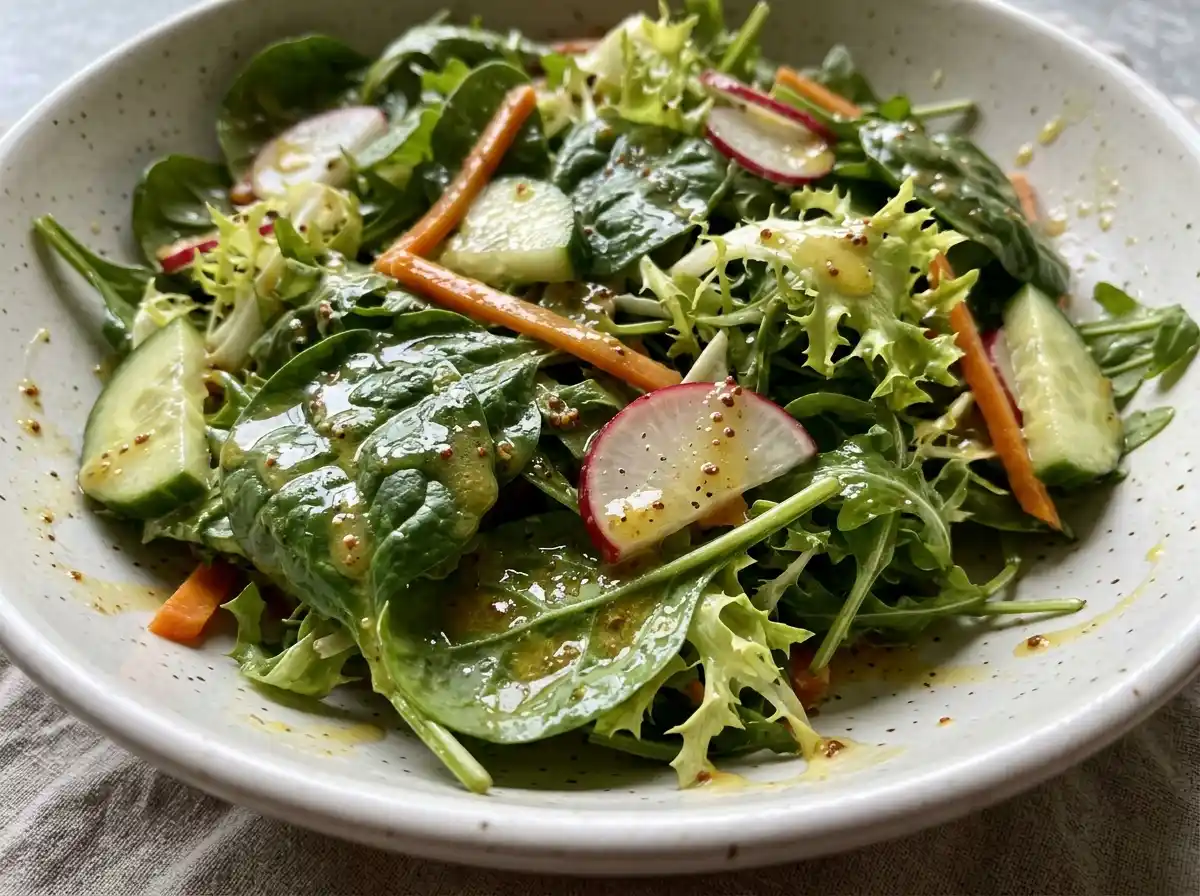
Honey mustard salad dressing does not need a complicated technique to taste good. Start with the four measured ingredients, whisk until smooth, and taste it on something you actually plan to eat. That simple habit makes it easier to find the right balance than chasing an exact flavor straight from a spoon.
Keep the first batch plain, then try wholegrain mustard or a creamier variation once you know what you enjoy. Whether it ends up on crunchy greens, a lunch bowl, or cold pasta, a small jar of homemade dressing can make everyday cooking feel a little more thoughtful.
For more sweet-and-savory kitchen ideas, browse the HoneyGlowKitchen honey recipes collection.